

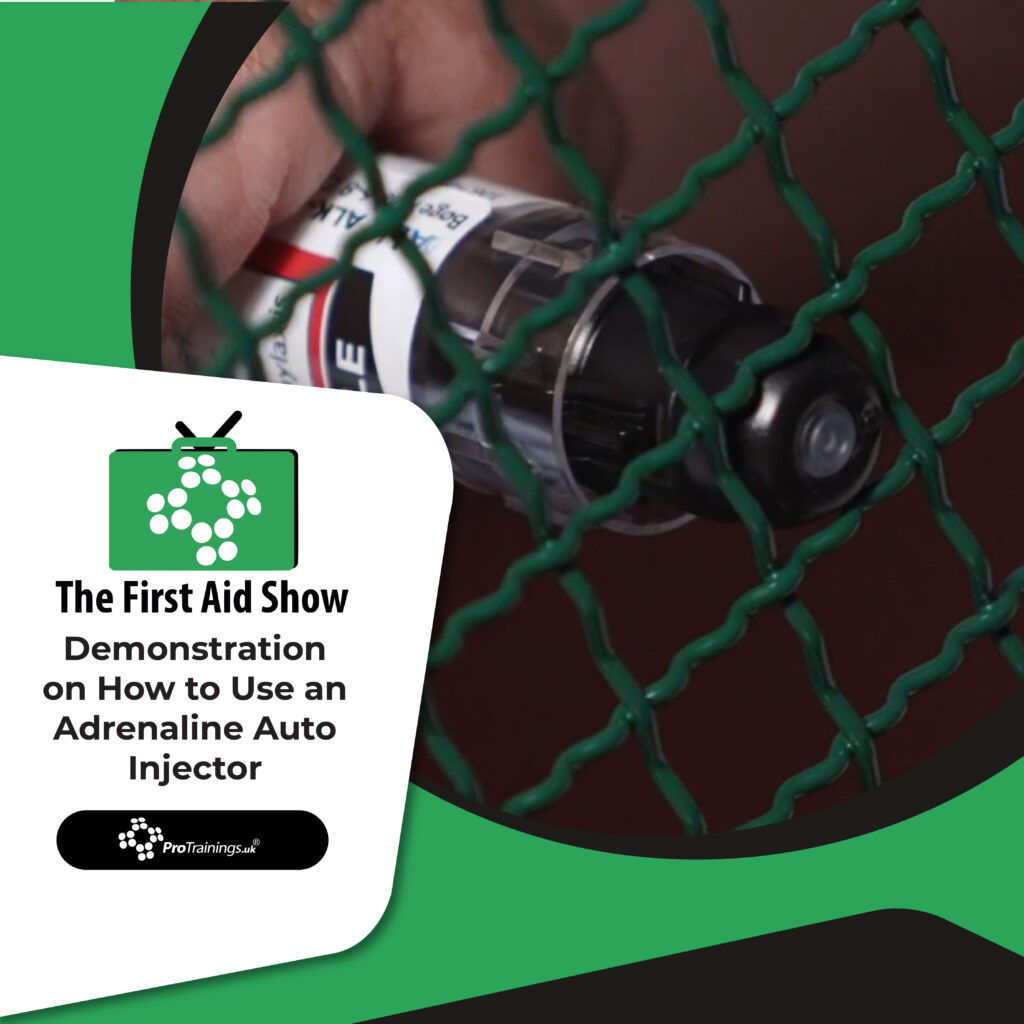

This demonstration on how to use an Adrenaline Auto-Injector provides a clear visual explanation of how devices such as Jext and EpiPen deliver emergency adrenaline during a severe allergic reaction. Although people should never discharge a live auto-injector simply to test it, a controlled training demonstration can help learners understand the speed, force, and safety features involved. Therefore, this demonstration on how to use an Adrenaline Auto-Injector focuses on what happens when each device activates and how the protective needle covers help reduce the risk of injury afterwards.
Adrenaline auto-injectors provide a pre-measured dose of adrenaline during anaphylaxis. Consequently, they can help reduce dangerous symptoms such as airway swelling, breathing difficulties, and a sudden drop in blood pressure. However, users must understand the instructions for their specific device because different brands use slightly different activation methods.
Why Use a Fine Mesh for the Demonstration?
During this controlled demonstration, the auto-injectors discharge through a fine mesh. This setup allows learners to see several important parts of the activation process without using the device on a person.
The mesh demonstration shows:
- The needle passing through the material
- The medication leaving the injector
- The speed and force of the discharge
- The movement of the protective needle cover
Furthermore, the demonstration highlights why users should hold the device securely and follow the manufacturer’s instructions carefully.
Important: Do not attempt this demonstration yourself. Only trained professionals should carry it out in a controlled training environment.
Demonstrating the Jext Auto-Injector
Firstly, the Jext auto-injector is pressed firmly against the mesh. Once enough pressure activates the device, the needle rapidly extends through the material and delivers the medication.
During the demonstration, learners can clearly observe:
- The immediate activation of the needle
- The rapid delivery of the adrenaline
- The force generated by the device
- The safety cover moving into place after use
When the Jext device moves away from the mesh, its protective needle cover automatically extends. As a result, the cover shields the used needle and helps reduce the risk of an accidental sharps injury.
Demonstrating the EpiPen
Next, the EpiPen is pressed firmly against the fine mesh. Again, the internal mechanism activates quickly, allowing the needle to pass through the material and release the medication.
Once the EpiPen moves away from the mesh, the orange needle cover extends automatically. Consequently, the cover completely encloses the needle and makes the used device safer to handle.
This feature provides several important benefits:
- It reduces accidental contact with the needle
- It lowers the risk of sharps injuries
- It makes the used device easier to identify
- It supports safer handling before disposal
Understanding the Differences Between Devices
Although Jext and EpiPen deliver adrenaline for the same purpose, their designs and instructions differ. Therefore, anyone prescribed an auto-injector should familiarise themselves with that specific brand.
Users should check:
- Which safety cap to remove
- Which end presses against the outer thigh
- How long to hold the device in place
- What visual signs confirm activation
Additionally, trainer auto-injectors can help users practise the correct technique without a needle or medication.
What to Do After Using an Auto-Injector
After administering adrenaline during a suspected anaphylactic reaction, call 999 immediately if someone has not already done so. Furthermore, keep the casualty still and monitor their breathing and responsiveness closely.
You should also:
- Note the time the adrenaline was given
- Keep the used injector for the ambulance crew
- Prepare a second prescribed dose if symptoms do not improve
- Start CPR if the casualty becomes unresponsive and stops breathing normally
Final Safety Reminder
Ultimately, this demonstration on how to use an Adrenaline Auto-Injector can help learners understand how quickly these devices activate and how their built-in safety features work. By comparing Jext and EpiPen, users can also appreciate the importance of learning the operating method for their prescribed device.
However, never discharge a live auto-injector for practice or curiosity. Instead, use an approved trainer device or attend a recognised allergy awareness course. Proper training, early recognition of anaphylaxis, and prompt adrenaline administration can make a life-saving difference during a severe allergic reaction.