


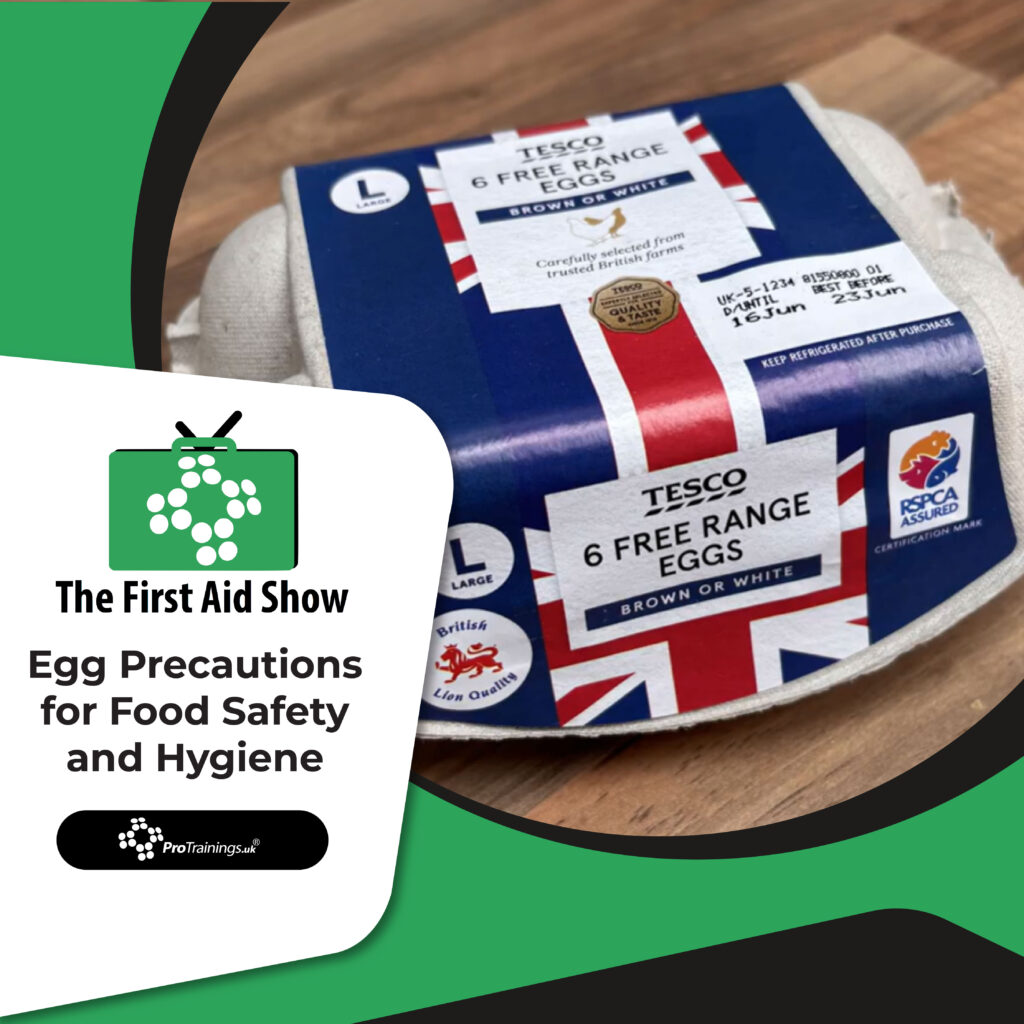

Egg Precautions for Food Safety and Hygiene are an important part of preventing foodborne illness and maintaining safe food preparation practices. Eggs are a nutritious and versatile ingredient used in countless recipes; however, they can also present food safety risks if they are not handled, stored, or prepared correctly. Therefore, understanding Egg Precautions for Food Safety and Hygiene can help reduce the risk of bacterial contamination, improve kitchen hygiene, and protect vulnerable individuals from illness.
Whether you are preparing meals at home, working in catering, or caring for young children, following simple egg safety measures can make a significant difference. Furthermore, good food hygiene practices help ensure that eggs remain safe to eat from purchase through to consumption.
Choosing Safe Eggs
When purchasing eggs, always look for the British Lion mark. This mark provides reassurance that the eggs have been produced to high food safety standards and come from hens vaccinated against Salmonella.
In addition, most British Lion eggs display a best-before date stamped directly onto the shell. Although this is not a legal requirement, it provides clear guidance on freshness and safe usage.
When buying eggs:
- Look for the British Lion mark
- Check the best-before date
- Avoid cartons containing cracked eggs
- Inspect eggs for visible damage
- Purchase eggs from reputable suppliers
Consequently, taking a few moments to inspect eggs before purchase can help minimise potential risks.
Proper Egg Storage
Correct storage plays a vital role in food safety. Therefore, eggs should be kept in a cool, dry environment, ideally within a refrigerator.
Furthermore, storing eggs in their original carton helps protect them from damage and prevents them from absorbing strong odours from surrounding foods.
For best results:
- Store eggs in the fridge
- Keep them in their original carton
- Store away from raw meat
- Keep separate from ready-to-eat foods
- Avoid exposing eggs to temperature fluctuations
Additionally, proper storage helps maintain freshness and reduces the likelihood of bacterial growth.
Preventing Cross-Contamination
One of the most important aspects of Egg Precautions for Food Safety and Hygiene involves preventing cross-contamination.
Even when eggs appear clean, bacteria can sometimes be present on the shell surface. Therefore, careful handling is essential.
Good hygiene practices include:
- Washing hands before handling eggs
- Washing hands after handling eggs
- Cleaning work surfaces thoroughly
- Using clean utensils and equipment
- Avoiding contact between egg shells and prepared foods
Moreover, maintaining excellent kitchen hygiene reduces the risk of harmful bacteria spreading to other foods.
Never Use Damaged Eggs
Cracked or damaged eggs should never be used. Once the shell has been compromised, bacteria can enter the egg more easily and multiply.
If you discover an egg with a cracked shell, dispose of it immediately rather than risking contamination.
Remember:
- Discard cracked eggs
- Discard leaking eggs
- Do not consume damaged eggs
- Inspect eggs before use
Although it may seem wasteful, discarding damaged eggs is always the safest option.
Safe Preparation of Egg Dishes
Proper preparation is equally important. Once eggs have been cooked or incorporated into a dish, they should not be left at room temperature for extended periods.
Instead:
- Refrigerate egg dishes promptly
- Consume prepared foods as soon as possible
- Keep chilled foods cold until serving
- Follow storage recommendations carefully
Furthermore, rapid cooling helps prevent bacterial growth and keeps food safe for consumption.
Using Raw or Lightly Cooked Eggs
Some recipes, such as homemade mayonnaise, mousses, and hollandaise sauce, use raw or lightly cooked eggs.
In these situations, using pasteurised eggs is strongly recommended. These eggs undergo a heat-treatment process that reduces the risk of harmful bacteria while maintaining their functionality in recipes.
Pasteurised eggs are particularly useful for:
- Homemade mayonnaise
- Mousses
- Desserts containing raw egg
- Sauces such as hollandaise
- Recipes served to vulnerable individuals
Consequently, they provide an additional layer of protection when preparing dishes that are not fully cooked.
Egg Safety for Babies and Young Children
Special care should be taken when introducing eggs to babies and young children.
Egg allergy affects an estimated 0.5% to 2.5% of children and is one of the more common food allergies during early childhood.
When introducing eggs during weaning:
- Start with small amounts
- Use well-cooked egg initially
- Monitor for signs of an allergic reaction
- Gradually increase quantities if tolerated
- Seek medical advice if concerns arise
Additionally, parents and carers should remain alert for symptoms such as rashes, swelling, vomiting, or breathing difficulties following exposure to eggs.
Avoid Reusing Leftover Egg Dishes
Another important aspect of egg safety involves handling leftovers correctly.
Particularly, dishes containing eggs should not be repeatedly reheated or left standing at room temperature. Bacteria can multiply rapidly under these conditions.
Therefore:
- Dispose of leftovers that have been left out too long
- Avoid repeated reheating
- Store leftovers promptly in the fridge
- Follow food safety guidance carefully
Final Thoughts
Egg Precautions for Food Safety and Hygiene help protect individuals from foodborne illness while supporting safe food preparation practices. From choosing British Lion eggs and storing them correctly to preventing cross-contamination and using pasteurised eggs where appropriate, every step contributes to safer food handling.
Ultimately, good hygiene, careful storage, and sensible preparation methods help ensure that eggs remain a safe, nutritious, and valuable part of a healthy diet. By following these precautions consistently, households, caterers, and food handlers can significantly reduce food safety risks and maintain high standards of hygiene.