


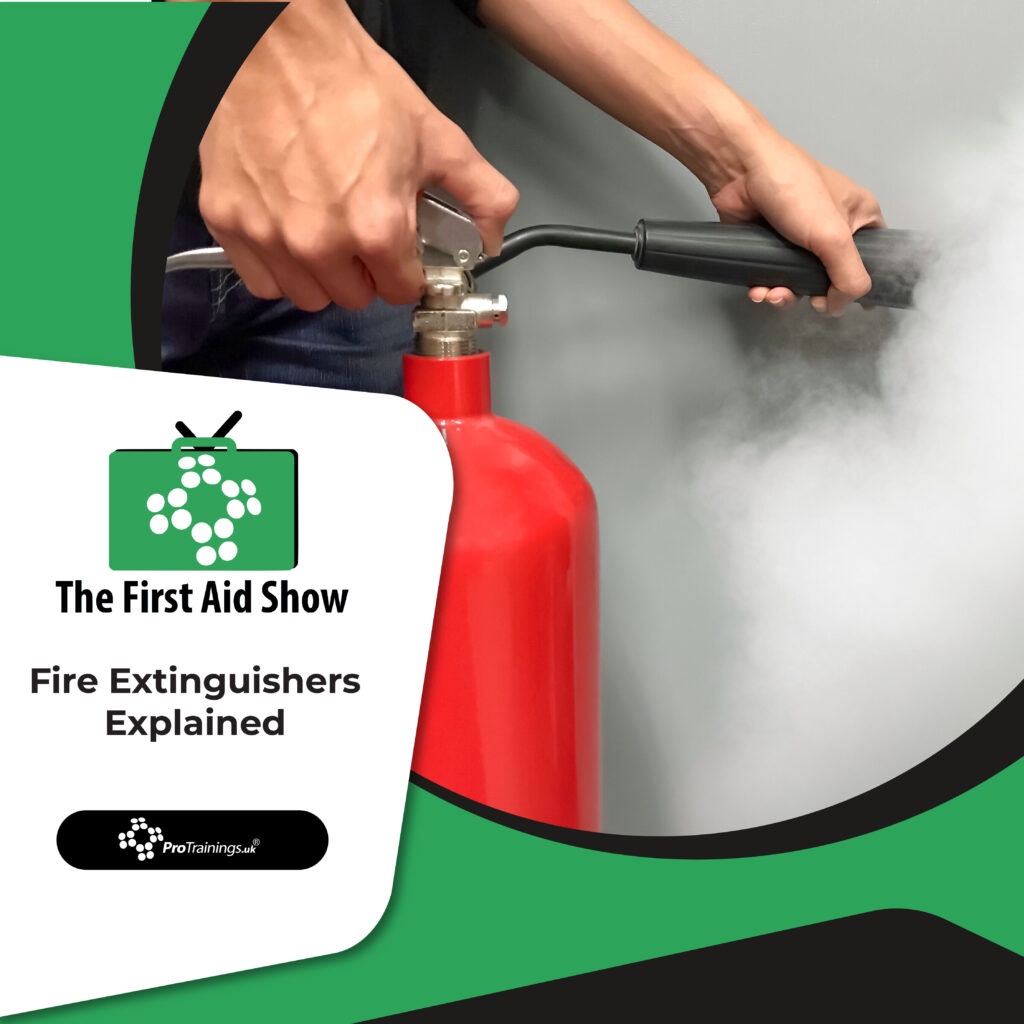

Fire Extinguishers Explained is an important topic for anyone responsible for workplace safety, fire prevention, or emergency response. Although many people see fire extinguishers every day, relatively few understand how they work or recognise the key components that help them operate safely and effectively. By Fire Extinguishers Explained, we can gain a better understanding of the different parts of an extinguisher, how to carry out basic visual inspections, and why regular servicing is essential.
Fire extinguishers are designed to tackle small fires before they become larger incidents. However, to use them effectively, it is helpful to understand the purpose of each component. While different extinguisher types vary slightly in design, most share the same basic construction and operating principles.
The Main Cylinder
The largest part of any fire extinguisher is the main cylinder. This contains the extinguishing agent and is designed to withstand internal pressure safely.
The cylinder colour and labelling help identify the extinguisher type. For example, a water extinguisher differs from foam, CO2, or dry powder extinguishers.
The front label typically provides:
- The extinguisher type
- Operating instructions
- Fire classifications it can be used on
- Safety information
- Manufacturer details
Consequently, users should always read the label before attempting to use an extinguisher.
Service Records and Maintenance Information
Regular maintenance plays a vital role in fire safety. Therefore, most extinguishers include a service record label attached to the cylinder.
This information allows organisations to:
- Track inspection dates
- Record servicing activities
- Demonstrate compliance with fire safety regulations
- Maintain accurate safety records
Furthermore, these records should match any internal fire safety documentation held by the organisation.
Understanding the Hose and Nozzle
The hose allows the extinguishing agent to be directed accurately at the fire.
However, hose designs vary depending on the extinguisher type:
- Water extinguishers typically use a standard hose and nozzle
- Foam extinguishers may have specialised nozzles
- CO2 extinguishers use a discharge horn
- Dry powder extinguishers often use flexible hoses
Importantly, users should never touch the horn on a CO2 extinguisher during or immediately after use because it can become extremely cold.
Wall Brackets and Storage Options
Most fire extinguishers include a mounting bracket on the rear of the cylinder. This allows the extinguisher to be securely fixed to a wall where it remains visible and accessible.
Alternatively, some extinguishers can be stored:
- On floor stands
- Within protective cabinets
- Inside weatherproof covers
- In designated fire equipment stations
Additionally, proper storage helps protect extinguishers from accidental damage and environmental conditions.
The Protective Base
At the bottom of many extinguishers, you will find a plastic base or foot ring.
This component serves several purposes:
- Keeps the extinguisher upright
- Protects the cylinder from impact damage
- Improves stability during storage
- Reduces wear to the cylinder base
Although simple, this feature helps extend the lifespan of the extinguisher.
Compliance Markings and Standards
When examining an extinguisher, you will often notice compliance markings, including CE markings and British Standard references.
These markings indicate that the extinguisher:
- Meets relevant manufacturing standards
- Has undergone required testing
- Complies with applicable regulations
- Is suitable for its intended purpose
Therefore, these markings provide reassurance regarding quality and safety.
The Handle, Pressure Gauge and Safety Pin
At the top of the extinguisher, several critical operating components work together.
These include:
- The carrying handle
- The operating lever
- The pressure gauge
- The safety pin
- The tamper-evident seal
The pressure gauge should always indicate a safe operating pressure. Consequently, users should include this check during routine inspections.
The safety pin prevents accidental activation. Furthermore, a plastic tamper seal helps identify whether someone has previously removed the pin or potentially used the extinguisher.
How a Fire Extinguisher Works
One of the key concepts is understanding the basic operating mechanism.
Inside the cylinder, a dip tube extends from the valve assembly to the bottom of the extinguisher. When the handles are squeezed together, pressure forces the extinguishing agent up through the tube and out through the hose and nozzle.
Most modern extinguishers are pre-pressurised. However, some older designs use separate pressure cartridges.
Importantly, users should never attempt to dismantle or open a pressurised extinguisher, as doing so can be dangerous.
Visual Checks You Can Perform
Although extinguishers require professional servicing, users can carry out simple visual inspections.
Routine checks should include:
- Confirming the pressure gauge is in the green zone
- Checking the safety pin remains in place
- Inspecting the tamper seal
- Looking for signs of damage or corrosion
- Ensuring the extinguisher remains accessible
- Verifying service dates are current
Furthermore, these checks can help identify issues before they affect the extinguisher’s performance.
Final Thoughts
Understanding fire extinguishers helps users understand the essential components that allow these life-saving devices to function effectively. From the cylinder and hose to the pressure gauge and safety pin, every part plays an important role in fire safety.
Ultimately, regular inspections, proper storage, and professional servicing help ensure fire extinguishers remain ready for use. By understanding their construction and operation, individuals and organisations can improve fire preparedness and help create a safer environment for everyone.