


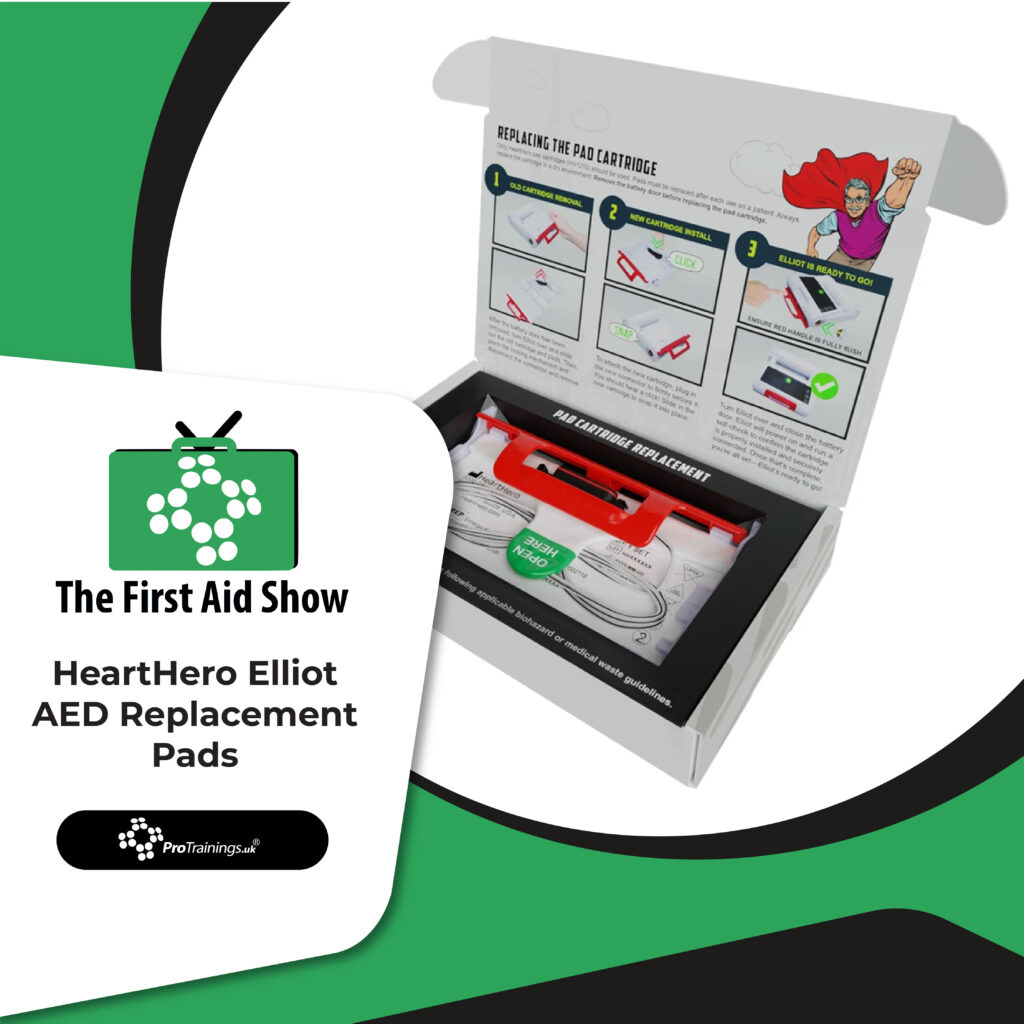

HeartHero Elliot AED Replacement Pads are an essential component of ensuring your defibrillator remains ready for use during a cardiac emergency. While the HeartHero Elliott AED performs regular self-checks to confirm its operational status, the electrode pads must also remain in date, undamaged, and ready for immediate deployment. Therefore, understanding how to manage and replace HeartHero Elliot AED Replacement Pads is an important part of AED ownership and maintenance.
Unlike many medical consumables, AED pads have a limited shelf life. Over time, the conductive gel on the pads can deteriorate, which may reduce their effectiveness during a rescue. Consequently, regular inspection and timely replacement help ensure the AED performs as intended when every second matters.
Why AED Pads Are So Important
The electrode pads serve two critical functions during a cardiac arrest rescue. Firstly, they allow the AED to analyse the casualty’s heart rhythm. Secondly, they provide the pathway through which the defibrillation shock is delivered if required.
Without properly functioning pads, the AED cannot:
- Analyse the heart rhythm accurately
- Determine whether a shock is required
- Deliver life-saving defibrillation therapy
- Guide the rescuer through the rescue process effectively
Therefore, keeping replacement pads available should form part of every AED maintenance programme.
When Should Replacement Pads Be Installed?
There are several situations where replacement pads may be required.
You should replace the pads if:
- The pads have been used during a rescue
- The expiry date has passed
- The packaging becomes damaged
- The pads have been exposed to contamination
- The AED reports a pad-related fault
Additionally, organisations should include pad expiry dates within their routine inspection schedules. By doing so, they can arrange replacements before the existing pads expire.
Simple Pad Replacement Process
One of the advantages of the HeartHero Elliott AED is the straightforward pad replacement process. The pads are supplied within a cartridge system that allows users to replace them quickly and efficiently.
To replace the pads:
- Remove the existing pad cartridge from the AED
- Disconnect or remove the used pads
- Install the new replacement pads into the cartridge
- Ensure all cables are correctly positioned
- Reinsert the cartridge into the AED
- Confirm the cartridge clicks securely into place
Furthermore, following the manufacturer’s instructions helps ensure the pads remain correctly connected and ready for use.
Benefits of the HeartHero Pad Cartridge System
The cartridge-based design simplifies maintenance and helps reduce the risk of incorrect installation.
Key benefits include:
- Fast replacement after a rescue event
- Simple storage within the AED
- Reduced risk of cable damage
- Easy visual inspection
- Quick deployment during emergencies
Consequently, organisations can return their AED to operational readiness with minimal downtime.
Regular Inspections Are Essential
Even when the pads have not been used, regular inspections remain important. During routine checks, users should verify:
- The pad expiry date
- The condition of the packaging
- The cartridge is fully seated
- The cables remain secure
- The AED shows a ready status
Additionally, documenting these inspections can help demonstrate compliance with workplace or organisational AED maintenance procedures.
Storing Spare Replacement Pads
Many organisations choose to keep spare HeartHero Elliot AED Replacement Pads available alongside their AED. This approach helps ensure the device can be returned to service immediately after a rescue.
Spare pads are particularly beneficial for:
- Workplaces
- Schools and colleges
- Sports clubs
- Community first responders
- Vehicle fleets
- Public access AED programmes
Furthermore, having replacement pads readily available reduces the risk of the AED becoming unavailable following an emergency.
Supporting AED Readiness
AED ownership extends beyond simply installing a device on a wall or storing it in a response bag. Regular maintenance, battery checks, and pad replacement all contribute to ensuring the AED remains rescue-ready.
Therefore, organisations should establish a clear inspection schedule and maintain a supply of essential consumables.
Final Thoughts
HeartHero Elliot AED Replacement Pads play a vital role in the operation of the HeartHero Elliott AED. By enabling heart rhythm analysis and shock delivery, they form a critical part of every cardiac arrest response. Furthermore, regular inspections and timely replacement help ensure the AED remains fully operational and ready to respond when needed.
Ultimately, maintaining replacement pads, alongside routine AED checks, helps maximise preparedness and ensures life-saving equipment remains available whenever a cardiac emergency occurs.
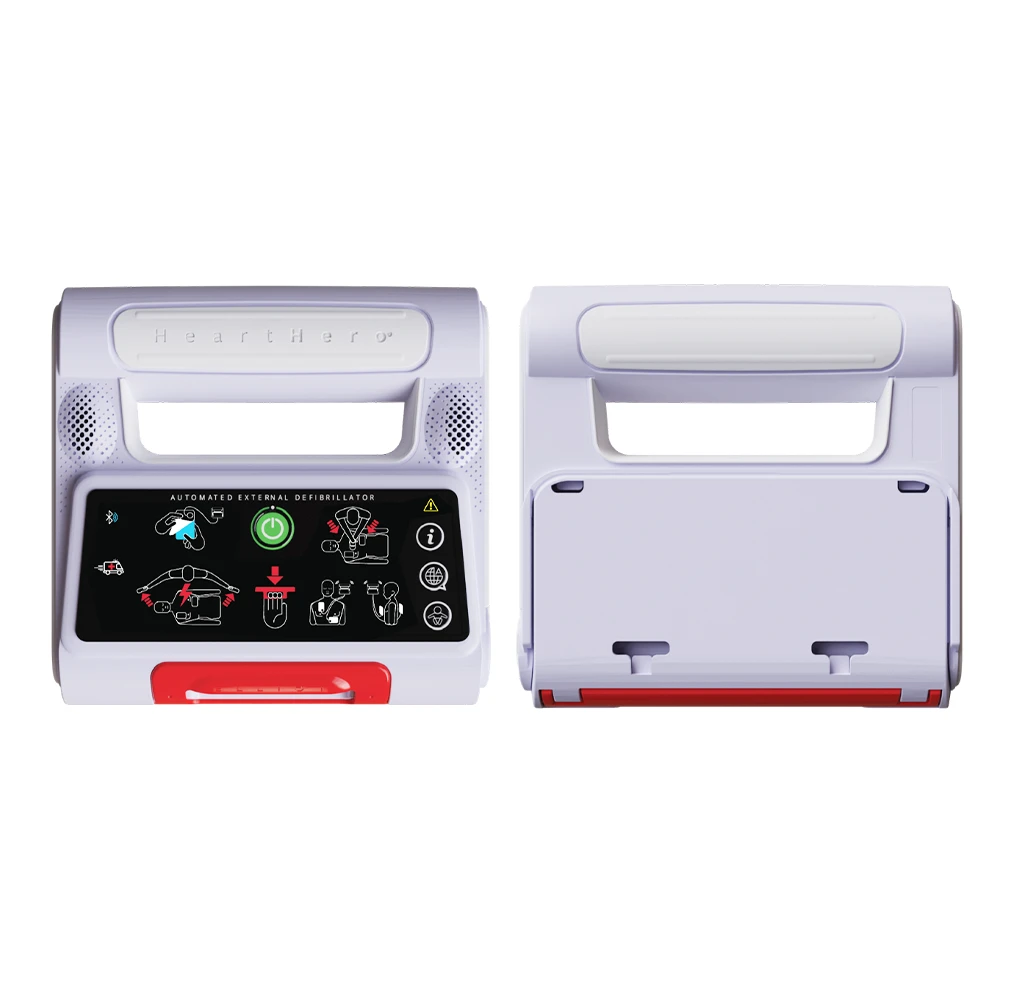
Learn Life-Saving CPR and AED Skills with HeartHero
When a sudden cardiac arrest occurs, knowing how to respond quickly can make a significant difference. The HeartHero AED Training Courses have been designed to help learners develop the knowledge and confidence needed to act in an emergency.
The Using the HeartHero AED Training Course focuses on the safe and effective use of an automated external defibrillator (AED), guiding learners through the steps involved in recognising a cardiac emergency and delivering potentially life-saving treatment. For those looking to develop a broader understanding of emergency response, the CPR and HeartHero AED Training Course combines AED training with essential CPR skills.
To support practical learning, a range of HeartHero AEDs and accessories are available, including training equipment, replacement pads, batteries and carry cases. These products can help organisations, training providers and first aiders maintain their equipment and gain valuable hands-on experience.
By combining quality training with practical equipment, you can build the confidence and skills needed to respond effectively when every second counts.