


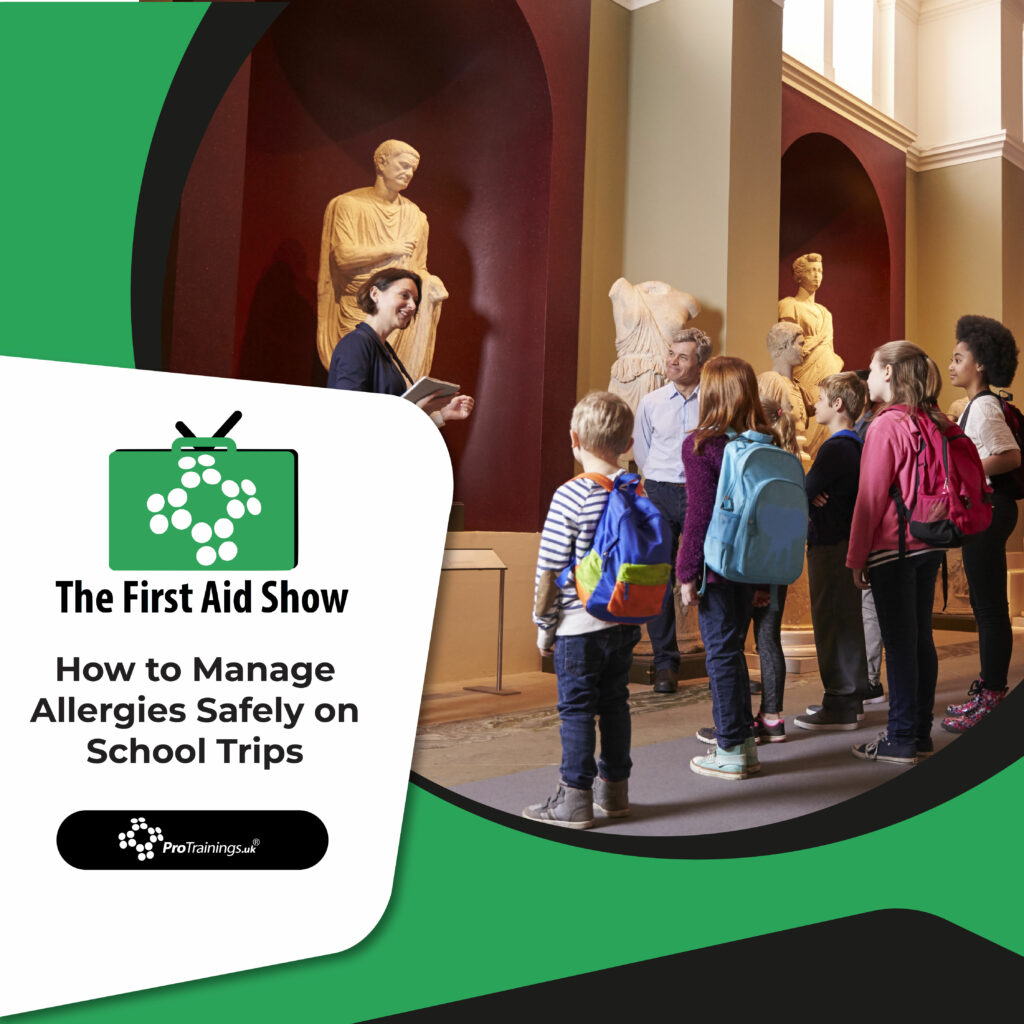

How to Manage Allergies Safely on School Trips is an essential consideration for teachers, support staff, and trip organisers. School trips provide valuable learning experiences; however, they also introduce new environments, unfamiliar foods, and unexpected allergy risks. Therefore, understanding How to Manage Allergies Safely on School Trips helps schools protect pupils while allowing them to participate confidently and safely.
Firstly, proper planning plays a critical role. Allergies can range from mild reactions to severe anaphylaxis, so staff must prepare thoroughly before leaving school grounds. Consequently, schools should always include allergy management as part of the overall trip risk assessment process.
Review Allergy Management Plans Before the Trip
Before the trip takes place, staff should carefully review the allergy management plans of all pupils with known allergies.
This information helps supervising staff understand:
- The pupil’s specific allergens or triggers
- Common symptoms of their reactions
- The severity of previous reactions
- The emergency treatment required
Furthermore, every adult supervising the trip should know this information, not just the lead organiser. As a result, staff can respond more quickly and confidently if an emergency occurs.
Ensure Emergency Medication Is Always Accessible
One of the most important parts of How to Manage Allergies Safely on School Trips involves emergency medication.
Adrenaline auto-injectors and other prescribed medication should:
- Travel with the pupil at all times
- Remain easy to access
- Never stay locked away or left behind
- Remain clearly labelled
Additionally, staff should know exactly who carries the medication and where it is stored throughout the trip.
Importantly, supervising adults should also feel confident using adrenaline auto-injectors if required. Therefore, regular allergy awareness and anaphylaxis training can make a significant difference during emergencies.
Plan Food Arrangements Carefully
Food often creates one of the biggest allergy risks during school trips. Consequently, organisers must plan meal arrangements carefully in advance.
If a venue or catering provider supplies food, staff should:
- Check allergen information beforehand
- Communicate pupils’ allergies clearly
- Confirm ingredients and preparation methods
- Ask about cross-contamination controls
However, even when pupils bring packed lunches from home, risks still remain. For example, food sharing between pupils can lead to accidental exposure. Therefore, staff should supervise meal times carefully and remind pupils not to share food.
Consider Environmental Allergy Risks
In addition to food allergies, some school trips expose pupils to environmental allergens.
Outdoor locations may contain:
- Insects and insect stings
- Pollen and plants
- Animal allergens
- Mould or dust exposure
As a result, staff should remain aware of the environment and monitor pupils closely throughout the trip.
Furthermore, checking the destination in advance can help identify potential hazards before arrival.
Prepare for Allergic Emergencies
Another key part of How to Manage Allergies Safely on School Trips involves emergency planning.
Before the trip begins, staff should discuss:
- Emergency procedures
- Who will administer medication
- Who will contact emergency services
- The location of the nearest medical support
In addition, all supervising adults should understand the signs of anaphylaxis, which may include:
- Difficulty breathing
- Swelling of the face or throat
- Wheezing or coughing
- Dizziness or collapse
- Rapid worsening symptoms
If anaphylaxis occurs, staff must act immediately. Administer adrenaline if prescribed, call emergency services, and continue monitoring the pupil closely until help arrives.
Communication and Confidence Matter
Good communication between schools, parents, pupils, and venues helps reduce risks significantly. Therefore, schools should encourage parents to provide up-to-date medical information before every trip.
At the same time, pupils should feel comfortable speaking up about their allergies and asking questions if they feel unsure about food or activities.
Final Thoughts
Understanding How to Manage Allergies Safely on School Trips helps schools create safer and more inclusive experiences for all pupils. Through careful planning, clear communication, proper medication management, and emergency preparation, staff can reduce allergy risks while still allowing children to enjoy valuable educational opportunities.
Ultimately, effective allergy management protects pupils, reassures parents, and helps school trips remain safe, enjoyable, and successful for everyone involved.