


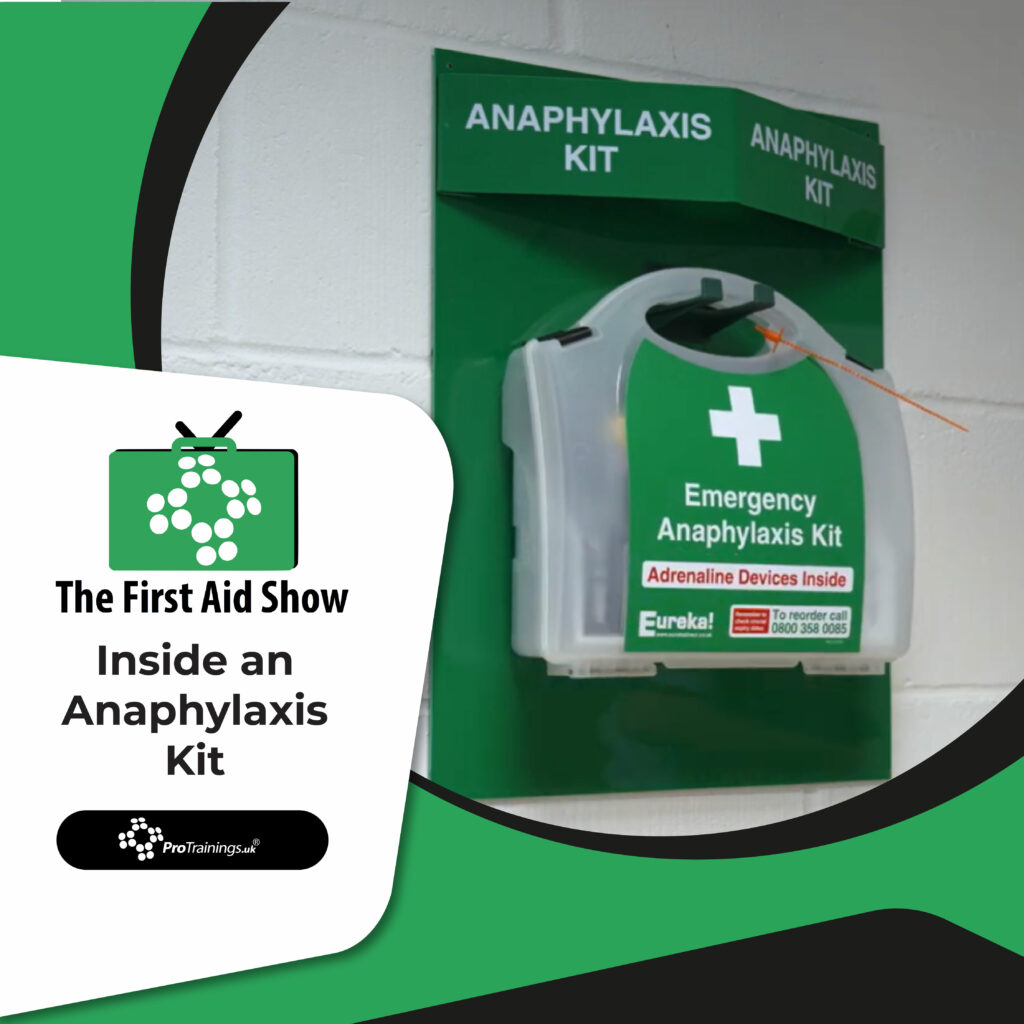

Inside an Anaphylaxis Kit you will find essential emergency equipment designed to help staff respond quickly during a severe allergic reaction. However, simply having an anaphylaxis kit available is not enough. Schools, workplaces, and public environments must also ensure that the kit remains properly checked, organised, and ready for immediate use. Therefore, understanding Inside an Anaphylaxis Kit helps staff maintain safe emergency procedures and improve response times during anaphylaxis.
Firstly, anaphylaxis kits usually contain adrenaline auto-injectors, such as EpiPen or Jext devices. These injectors provide emergency adrenaline treatment during severe allergic reactions. Consequently, regular checks and correct storage become extremely important because every second matters during anaphylaxis.
Checking Auto-Injectors Before Use
When the kit first arrives, staff should carefully inspect all auto-injectors before placing the kit into service.
Importantly:
- Remove the injectors from the cardboard packaging
- Leave them inside their protective plastic tubes
- Protect the devices from accidental activation or damage
The plastic tubes provide an extra layer of protection while still allowing staff to inspect the devices properly.
Furthermore, although the cardboard packaging usually displays expiry dates and serial numbers, staff should also check the injector itself. If the details are difficult to see through the plastic casing, simply open the protective tube carefully and inspect the injector directly.
Recording Expiry Dates and Serial Numbers
Another important part of maintaining Inside an Anaphylaxis Kit involves accurate record keeping.
Staff should record:
- Expiry dates
- Serial numbers
- Inspection dates
- Seal numbers where applicable
Consequently, this process helps organisations monitor equipment effectively and replace injectors before they expire.
Additionally, maintaining clear records improves accountability and supports routine safety inspections.
Inspecting the Injector Viewing Window
During each inspection, staff should also examine the viewing window on the injector carefully.
This check helps confirm that:
- The medication remains clear and usable
- No visible damage exists
- The injector appears ready for use
At the same time, staff should complete a general visual inspection of the entire device. Therefore, if cracks, damage, discolouration, or defects appear, the injector should be replaced immediately.
Understanding Different Auto-Injector Systems
Different adrenaline auto-injectors operate slightly differently. For example, EpiPen and Jext devices use different activation methods.
As a result, staff should familiarise themselves with the specific device supplied in the kit.
Fortunately, most injectors include step-by-step instructions printed directly onto the device. Nevertheless, regular training and practice remain essential because staff may need to act quickly during a real emergency.
Correct Placement and Storage of the Kit
Once checks are complete, organisations should decide where to position the anaphylaxis kit.
The kit should always remain:
- Highly visible
- Easy to access
- Clearly identified
- Known to all relevant staff
Importantly, staff should never lock the kit away where delays could occur.
Many kits include wall mounting brackets, allowing organisations to secure them safely while still keeping them accessible during emergencies.
Organising Adult and Child Injectors
Effective organisation also plays an important role when managing Inside an Anaphylaxis Kit.
When placing auto-injectors into the case:
- Store adult injectors in the correct section
- Store child injectors separately
- Ensure labels remain clearly visible
Consequently, this arrangement reduces confusion and helps staff locate the correct injector quickly during an emergency situation.
Using Tamper-Proof Seals
After fully assembling the kit, staff should close the case and apply the tamper-proof seal correctly.
The seal should pass through:
- The carrying handle
- The securing tab or closure point
Additionally, staff should record the seal number during the inspection process.
This procedure helps confirm whether the kit has been opened or used since the previous inspection.
Ensuring Staff Awareness
Finally, once the kit is ready, all relevant staff should know exactly where it is stored.
Schools and organisations should:
- Include the kit location in emergency procedures
- Provide allergy awareness training
- Carry out regular inspection checks
- Review emergency response plans routinely
Therefore, good preparation helps staff respond confidently and quickly if anaphylaxis occurs.
Final Thoughts
Understanding Inside an Anaphylaxis Kit goes far beyond simply opening the case and checking the contents. Proper inspection, accurate record keeping, correct storage, and staff awareness all play essential roles in emergency preparedness.
Ultimately, maintaining a fully stocked and well-organised anaphylaxis kit helps ensure faster treatment during severe allergic reactions and supports safer environments for pupils, staff, and visitors alike.