


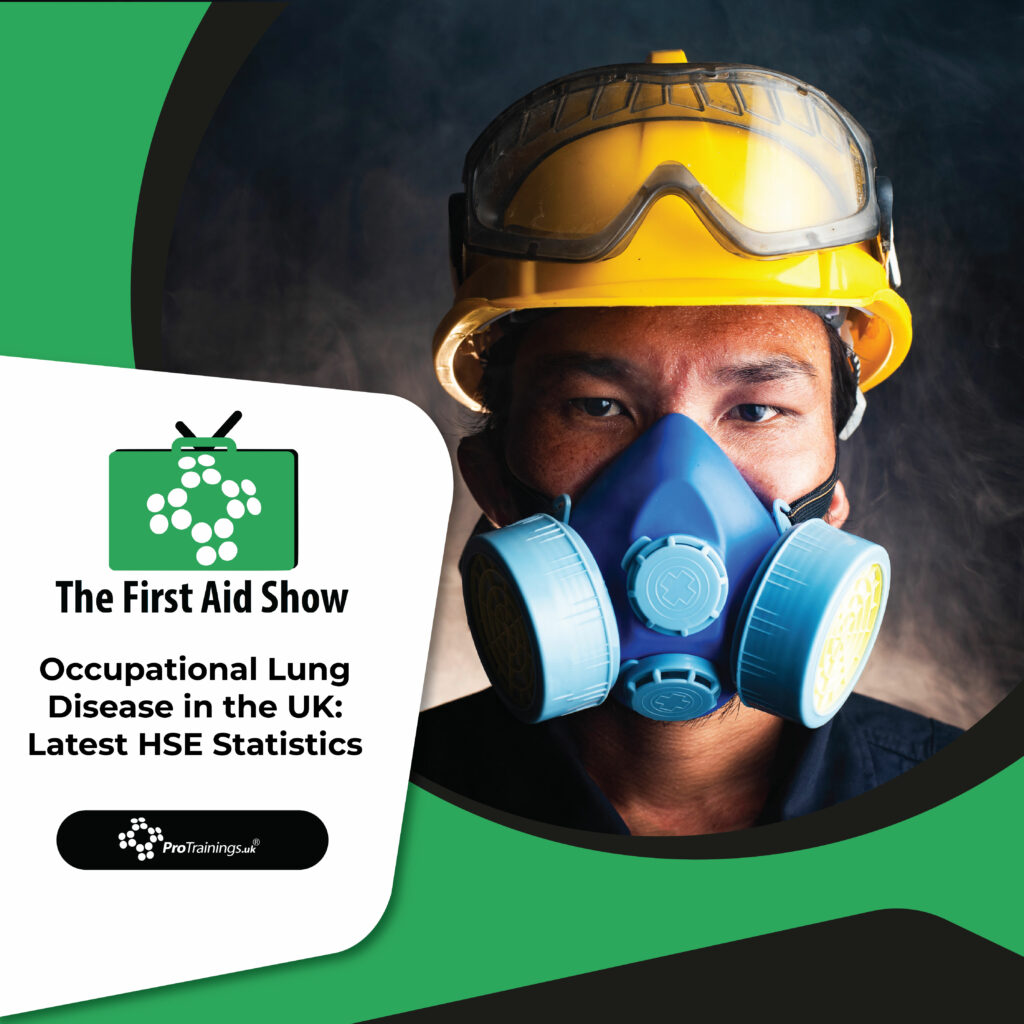

The latest HSE data on Occupational Lung Disease in Great Britain clearly demonstrates the long-term and often devastating impact that workplace exposures can have on health. From the outset, these figures remind us that damage to the lungs rarely appears immediately. Instead, it often develops silently over decades, long after the original exposure has ended. As a result, occupational lung disease continues to represent one of the most serious legacies of unsafe working environments.
The Long-Term Human Cost
According to the :contentReference[oaicite:0]{index=0} (HSE), around 11,000 people die each year from lung diseases linked to past workplace exposures. These deaths do not occur suddenly. Rather, they reflect prolonged damage caused by hazardous substances such as dusts, fumes, vapours, and fibres that workers inhaled over many years. Consequently, occupational lung disease places a heavy burden not only on individuals, but also on families and healthcare systems.
The Role of Asbestos Exposure
Importantly, asbestos remains a central part of this picture. In 2023 alone, there were 2,218 mesothelioma deaths recorded. In addition, the HSE estimates that a similar number of lung cancer deaths also link directly to past asbestos exposure. Together, these figures highlight the devastating consequences of historic workplace practices, particularly before strict asbestos controls came into force.
However, there are also signs of progress. Annual mesothelioma deaths are projected to decline between 2024 and 2040. This downward trend reflects the long-term benefits of banning asbestos, tightening regulations, and improving workplace protections. Nevertheless, the legacy of earlier exposure continues to affect thousands of people every year.
New and Ongoing Cases
While many cases relate to historic exposure, occupational lung disease remains a current issue. The HSE estimates around 22,000 new cases of work-related lung and breathing problems each year, based on self-reported Labour Force Survey data. Therefore, hazardous exposure has not disappeared. Instead, it continues to affect workers across a wide range of industries today.
Furthermore, rates of occupational asthma reported by chest physicians have remained broadly stable since 2010. However, the COVID-19 pandemic disrupted healthcare services and diagnosis, which has introduced uncertainty into more recent figures.
Causes of Occupational Lung Disease Deaths
When we examine the breakdown of occupational lung disease deaths, several conditions dominate:
- Chronic obstructive pulmonary disease (COPD) – 35%
- Non-asbestos-related lung cancer – 23%
- Mesothelioma – 20%
- Asbestos-related lung cancer – 20%
- Other lung diseases – 3%
Together, these conditions account for the vast majority of work-related lung disease deaths. As a result, controlling exposure to hazardous substances remains critical.
Prevention Remains Essential
Ultimately, these statistics reinforce a clear message. Occupational Lung Disease continues to represent one of the most serious and long-lasting consequences of unsafe work. By enforcing exposure controls, improving ventilation, using appropriate respiratory protective equipment, and maintaining effective health surveillance, employers can protect today’s workforce and prevent future harm.
In short, prevention now determines health outcomes decades from today. The actions taken in workplaces today will directly shape the occupational lung disease statistics of the future.