


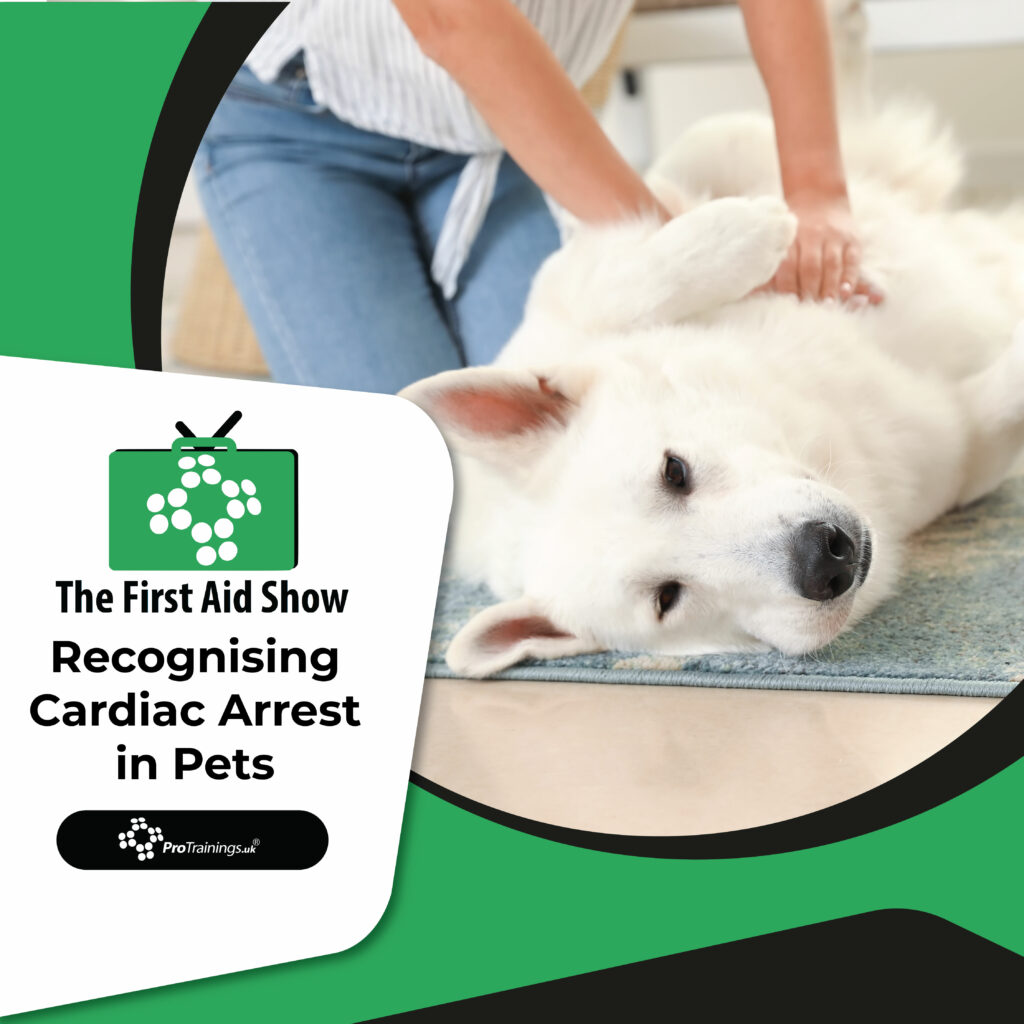

Recognising Cardiac Arrest in Pets
Recognising Cardiac Arrest in Pets quickly can save a life, which is why acting immediately becomes so important. Cardiac arrest happens when the heart stops beating effectively, which means blood no longer circulates to the brain or other vital organs. Because this condition progresses rapidly, you must identify the signs as soon as possible. Moreover, cardiac arrest can occur suddenly after choking, trauma, collapse, or a serious medical emergency, so staying alert helps you intervene at the earliest moment.
Understanding Why Speed Matters
Every second without oxygen reduces your pet’s chance of survival. Therefore, learning how to spot the warning signs and respond confidently becomes essential. Additionally, because many owners feel panicked during emergencies, practising these steps in advance helps you stay calm and focused.
Step 1 – Check for Responsiveness
- Gently call your pet’s name and tap their shoulder or body.
- If they do not respond, appear limp, or fail to move when touched, treat this as a medical emergency.
Furthermore, if your pet is usually reactive but suddenly remains still, you should take this as a critical warning sign.
Step 2 – Look for Breathing
- Watch the chest closely for normal, rhythmic breathing.
- If the chest does not rise and fall, or you only see twitching or gasping, this indicates agonal breaths.
Agonal breaths are not normal breathing. Instead, they signal that the heart has already stopped, so you must prepare to take action immediately.
Step 3 – Check for a Heartbeat or Pulse
- Place your hand on the chest just behind the front leg, where the elbow meets the body.
- You may also check just inside the back leg for the femoral pulse.
If you cannot feel a heartbeat or pulse within 10 seconds, assume the heart has stopped and move to the next step without hesitation. Waiting longer only reduces the likelihood of recovery.
Step 4 – Look for Any Movement
- Check for blinking, swallowing, or attempts to lift the head.
- If there is no movement and no breathing, your pet is in cardiac arrest.
In these moments, staying calm allows you to act faster and more effectively.
Step 5 – Act Immediately
- Call for help if someone is nearby.
- Start CPR straight away to support blood flow and oxygen delivery.
- Ask another person to contact a vet while you begin chest compressions and rescue breaths.
Do not waste time searching for equipment or waiting for instructions. Starting CPR within seconds gives your pet the best possible chance of survival. Moreover, taking early action aligns with the core principle of Recognising Cardiac Arrest in Pets — identify the signs swiftly and respond without delay.