


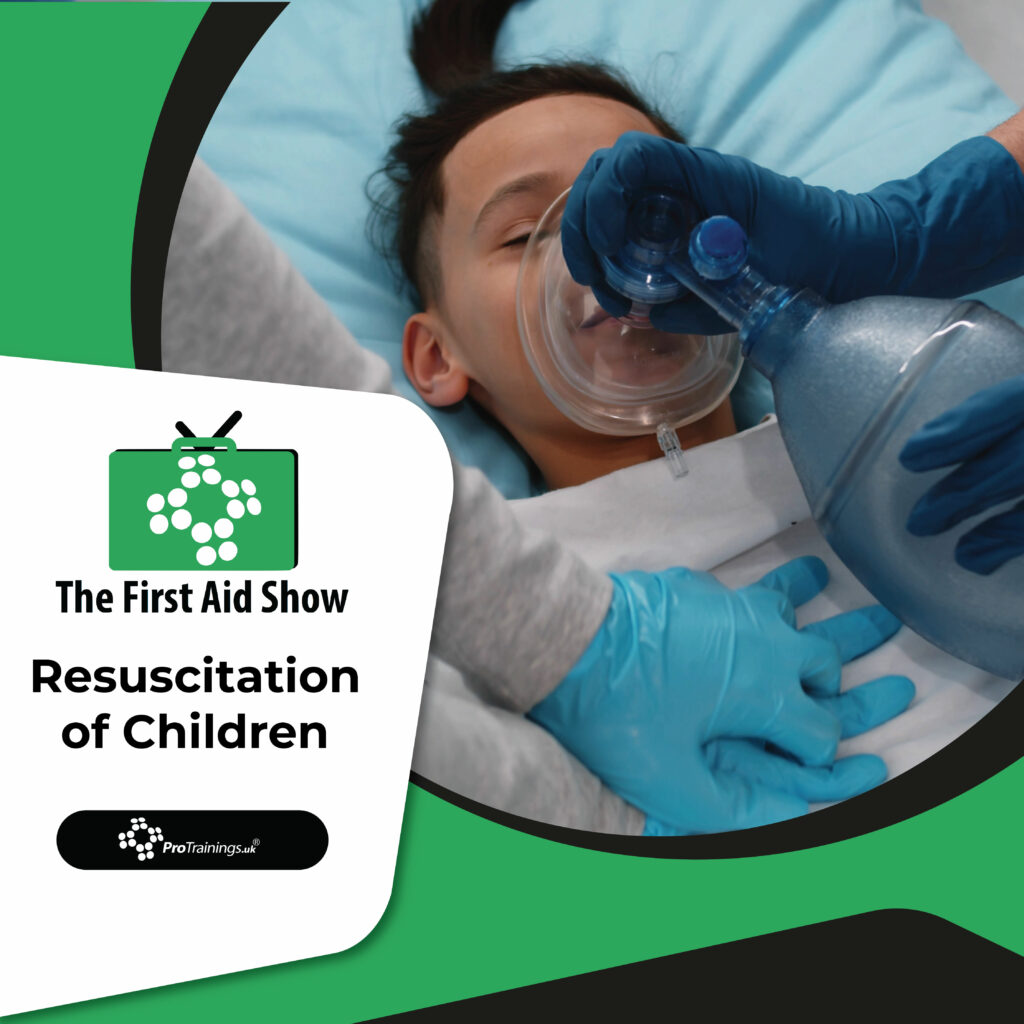

Resuscitating Children and Infants: Why Doing Something is Always Better Than Nothing
Facing a situation where a child or infant requires resuscitation is every responder’s worst fear. The emotional weight can be overwhelming. In fact, many bystanders hesitate or avoid performing CPR altogether—not because they don’t care, but because they’re afraid of doing something wrong. They worry they might cause more harm than good, especially if they haven’t received formal training in paediatric CPR.
However, it’s critical to understand this: doing something is always better than doing nothing. In reality, using the adult Basic Life Support (BLS) sequence is perfectly acceptable if you haven’t been trained specifically in child CPR. The Resuscitation Council makes this clear. Laypeople are taught that if a child is unresponsive and not breathing normally, they should start CPR immediately using the adult method. The key is not to hesitate.
Adjusting Technique by Age
While the adult sequence works, there are some important differences to keep in mind when it comes to the physical technique. When we talk about chest compressions, for instance, aim to compress the chest by at least one-third of its depth.
- For infants under 1 year old, use the two-thumbs encircling hands technique.
- For children aged 1 to 12, use one or two hands depending on what feels most effective for the child’s size.
- For adolescents aged 13 to 18, use two hands just like you would for an adult.
Whether you choose one hand or two for younger children doesn’t matter as long as you’re delivering compressions effectively. Choose the method that feels most natural and gives you the best control.
Why Action Matters
Survival rates speak for themselves. If you do nothing, the chance of survival is only around 4.3%. If you perform compression-only CPR, that rate rises to 7.7%. But if you provide full CPR—compressions and rescue breaths—the chance of survival increases significantly to 13.6%. In other words, your actions can more than triple a child’s chance of survival.
Rescue Breaths and Minimising Delays
When giving breaths, aim for around one second per breath—just enough to make the chest rise visibly. Don’t overinflate the lungs. And just as importantly, limit the pause between cycles of compressions to 10 seconds at most. Shorter is better. Minimising delays keeps oxygen-rich blood flowing to vital organs like the brain and heart.
In Summary
If you ever find yourself in a situation where a child or infant is not breathing, remember: you don’t need to be perfect. You just need to act. Use the adult CPR sequence if that’s what you know. Compress the chest to one-third depth. Deliver rescue breaths carefully. And always prioritise keeping those compressions going with as little interruption as possible.
Your courage and quick action could be the difference between life and death.