


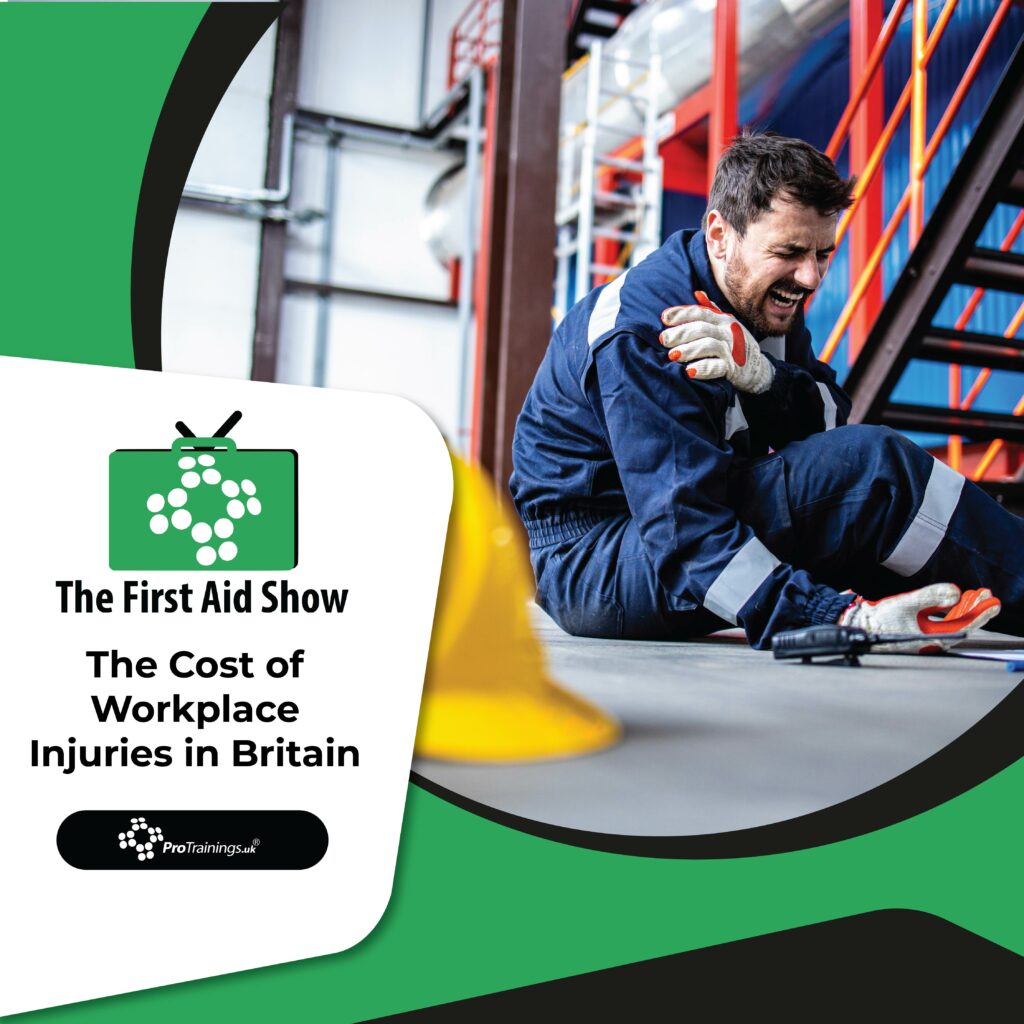

The Cost of Workplace Injuries in Britain continues to rise, and the latest figures from the Health and Safety Executive (HSE) clearly highlight both the human and financial impact. Not only do these statistics reveal the scale of workplace harm, but they also demonstrate why prevention must remain a top priority. Therefore, understanding The Cost of Workplace Injuries in Britain is essential for employers, employees, and policymakers alike.
Overall Financial Impact
Firstly, the HSE estimates that the total annual cost of workplace injury and new cases of work-related ill health reached £22.9 billion in 2023/24. Importantly, this figure excludes long-latency illnesses such as occupational cancers. As a result, the true cost is likely even higher.
When we break this figure down further, the numbers become even more revealing:
- £16.4 billion – Work-related ill health
- £6.5 billion – Workplace injuries
Clearly, ill health accounts for the majority of the cost. Consequently, organisations must focus not only on preventing accidents but also on addressing long-term health risks.
What Makes Up These Costs?
Moreover, the HSE cost model considers both financial and human impacts. This approach ensures a more accurate reflection of the true burden.
- Financial Costs:
- Loss of productivity and output
- Healthcare and rehabilitation expenses
- Compensation and legal payments
- Human Costs:
- Pain and suffering
- Emotional distress and grief
- Reduced quality of life
Therefore, while financial losses are significant, the human cost remains the most profound and far-reaching.
Who Bears the Cost?
Interestingly, the financial burden does not fall evenly across society. In fact, individuals carry the largest share of the cost.
- Individuals: £13.4 billion
- Government: £5.2 billion
- Employers: £4.3 billion
As a result, workers themselves face the greatest impact. They experience lost income, long-term health issues, and reduced wellbeing. Consequently, this reinforces the importance of strong workplace safety practices.
Ill Health vs Injury
Furthermore, the data shows a clear imbalance between ill health and injury. Specifically, 72% of total costs stem from work-related ill health, while only 28% result from injuries.
This means that conditions such as stress, musculoskeletal disorders, and respiratory illnesses contribute the most significant burden. Therefore, employers must prioritise mental health support, ergonomic practices, and exposure control measures.
Long-Term Trends and Insights
In addition, long-term data from 2004/05 to 2023/24 shows that costs remain consistently high. Although figures fluctuate year by year, the overall trend highlights a persistent issue. Moreover, the pandemic introduced additional uncertainty, which further complicates the analysis.
However, one thing remains clear: the financial and human toll continues to place pressure on individuals, businesses, and public services.
Why Prevention Matters
Ultimately, these figures demonstrate that health and safety go far beyond simple compliance. Instead, they play a critical role in protecting lives and reducing economic strain.
- Invest in effective risk assessments
- Promote workplace wellbeing initiatives
- Provide regular training and education
- Encourage early reporting and intervention
By taking proactive steps, organisations can significantly reduce harm. In turn, they can lower The Cost of Workplace Injuries in Britain while also improving productivity and morale.
In conclusion, addressing workplace safety is not just a legal requirement—it is a moral and financial necessity. By prioritising prevention and supporting employee wellbeing, businesses can create safer environments and reduce the long-term impact on society.