


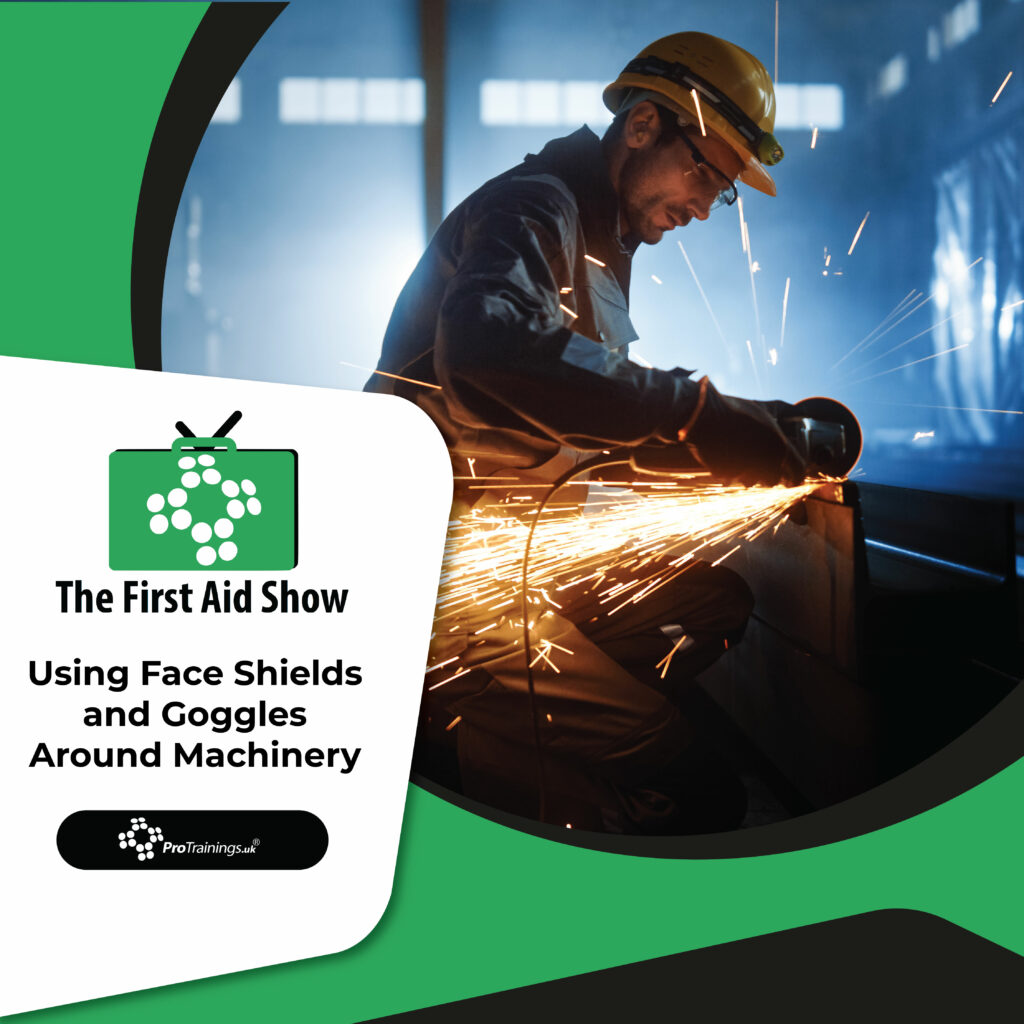

Using Face Shields and Goggles correctly is absolutely essential when working with machinery such as grinders, cutters, and other high-risk tools. From the very beginning, protecting your eyes should be a non-negotiable part of any task involving flying debris, dust, or sparks. Importantly, eye injuries can occur in a split second, so choosing the right protection and wearing it properly makes a significant difference.
Starting with Safety Glasses
Firstly, the most basic form of eye protection comes in the shape of safety glasses. These are usually clear, although tinted versions are also available for use in brighter conditions. Because they wrap around the eyes, they offer reasonable protection against direct impact. However, while they work well for low-risk tasks, they do leave gaps around the edges.
Therefore, many users choose upgraded versions with a rubber seal around the frame. This seal allows the glasses to sit firmly against the face, which prevents dust, dirt, and small particles from entering from the sides or top. As a result, sealed goggles provide a higher level of protection. That said, you must manage fogging carefully, as moisture build-up can reduce visibility if ventilation is poor.
Moving Up to Full Face Shields
Next, Using Face Shields and Goggles together offers even greater protection. A full face shield provides coverage not only for the eyes but also for the entire face. Basic models sit comfortably on the head and include an adjustable ratchet system at the back. This allows you to achieve a secure fit quickly and easily. Additionally, most face shields lift up and down, so you can move them out of the way when not actively cutting or grinding.
More advanced face shields improve on this design by offering a stronger locking mechanism and a shape that fits more closely under the chin. This closer fit significantly reduces the chance of debris entering from below. Some versions also include built-in ear defenders, which protect against noise while also helping to stabilise the shield. As a result, the face shield stays firmly in place during use.
Layered Protection for Higher Risk Tasks
In higher-risk environments, layering protection becomes increasingly important. For example, wearing sealed goggles underneath a face shield adds a second layer of defence. Even if debris bypasses the shield, the goggles still protect your eyes.
Furthermore, full face respirator masks combine eye protection with respiratory protection. These are particularly useful when working with materials that generate dust, fumes, or hazardous particles. By protecting both the lungs and eyes, these masks offer comprehensive coverage.
Choosing the Right Protection for the Job
Ultimately, not all tasks carry the same risks. Therefore, you must always assess the hazards before starting work. Consider the following:
- Impact risks from flying debris
- Dust exposure from cutting or grinding
- Fumes or vapours released during work
- Noise levels requiring ear protection
Equally important, always check that the lens or visor material is correctly rated for the task. Using unsuitable or untested eye protection offers little to no real safety.
In conclusion, Using Face Shields and Goggles appropriately ensures that your eyes and face remain protected in demanding environments. By selecting the correct equipment, layering protection when needed, and understanding the risks involved, you significantly reduce the chance of serious injury and improve overall workplace safety.