


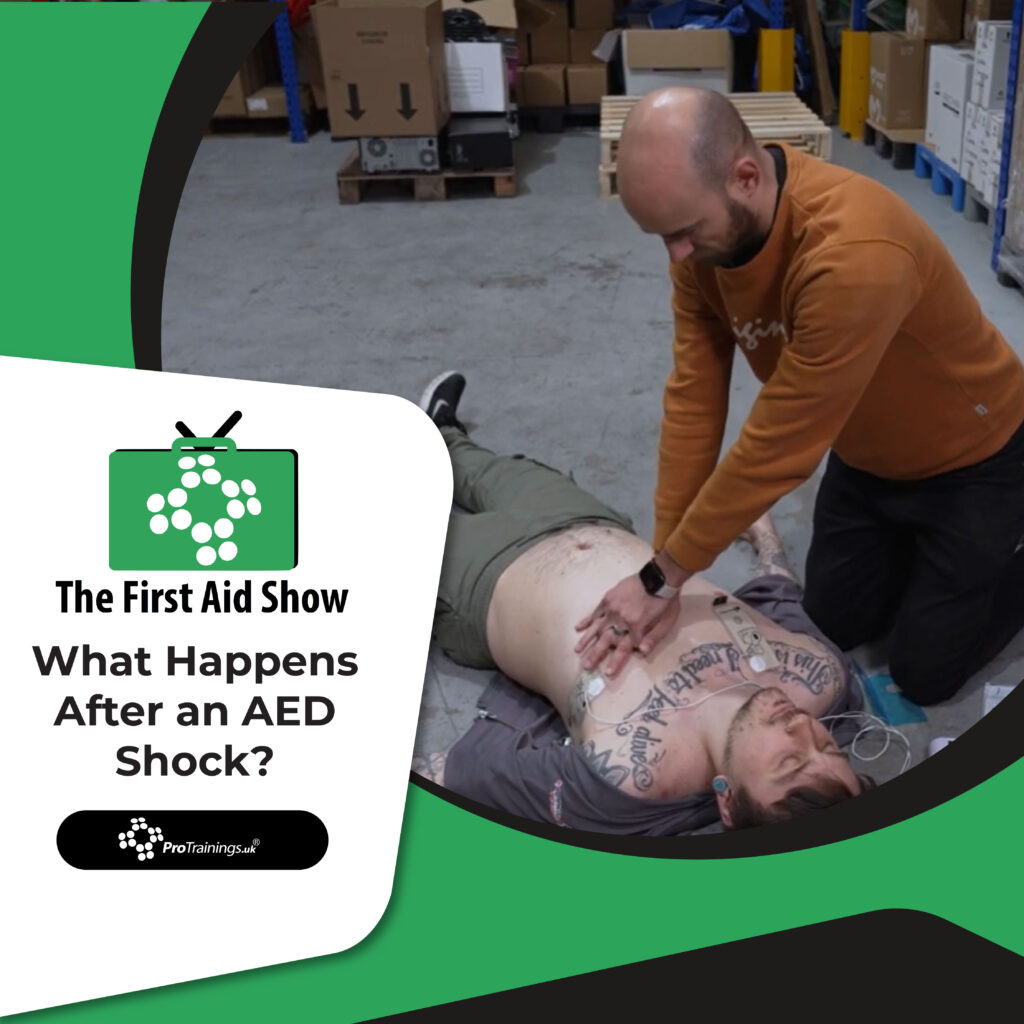

What Happens After an AED Shock? is one of the most important questions rescuers ask when learning how to use a defibrillator. While delivering a shock is a critical part of treating sudden cardiac arrest, it does not mean the emergency is over. In fact, the minutes immediately following a shock are just as important as the shock itself. Understanding What Happens After an AED Shock? helps rescuers remain calm, follow the correct procedures, and provide the casualty with the best possible chance of survival.
An Automated External Defibrillator (AED) delivers a shock to interrupt abnormal electrical activity within the heart. The goal is to give the heart the opportunity to reset and potentially return to a normal rhythm. However, even when a shock is successful, the heart may not immediately begin pumping blood effectively. Therefore, rescuers must continue providing care and closely follow the AED’s instructions.
The Shock Is Only the Beginning
Many people mistakenly believe that once an AED delivers a shock, the casualty will immediately recover. However, sudden cardiac arrest is a complex medical emergency, and recovery often takes time.
After a shock:
- The heart may still be recovering
- Blood circulation may remain limited
- Vital organs still require oxygen
- Additional shocks may be necessary
Consequently, rescuers should stay focused and continue following the AED prompts without interruption.
Resume CPR Immediately
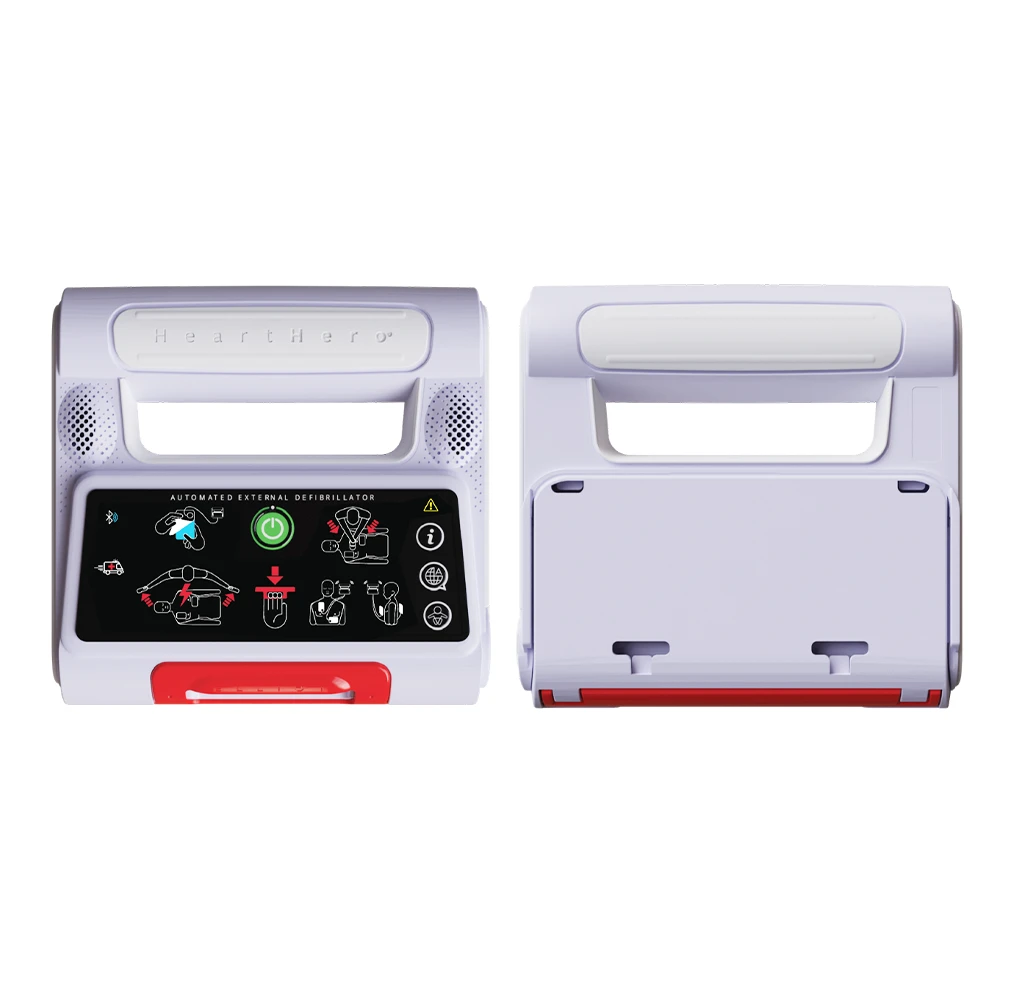
Following a shock, the HeartHero Elliott AED will provide clear voice instructions. In most cases, the device will immediately tell rescuers to restart CPR.
This step is extremely important because chest compressions help:
- Circulate oxygenated blood around the body
- Supply oxygen to the brain
- Support vital organ function
- Increase the chances of successful resuscitation
Therefore, rescuers should begin compressions straight away and continue at the rhythm guided by the AED.
Why CPR Remains Essential
Even if the AED successfully restores a normal heart rhythm, the heart may still struggle to generate an effective pulse. As a result, CPR remains essential during the recovery process.
Furthermore, high-quality chest compressions help maintain circulation while the heart attempts to regain normal function. Without continued CPR, oxygen delivery to the brain and other organs can quickly fall to dangerous levels.
For this reason, rescuers should never stop CPR unless:
- The AED instructs them to stop
- The casualty shows clear signs of life
- Emergency services take over
- The rescuer becomes physically unable to continue
Continuous Heart Rhythm Monitoring
One of the key benefits of the HeartHero Elliott AED is that it continues monitoring the casualty throughout the rescue process.
The AED will:
- Guide compression timing
- Provide voice prompts
- Analyse the heart rhythm at regular intervals
- Advise if another shock is required
During these analysis periods, nobody should touch the casualty. This allows the device to assess the heart rhythm accurately and determine the next course of action.
If Another Shock Is Required
Sometimes the heart returns to a shockable rhythm after the first shock. If this occurs, the AED may advise another shock.
When this happens:
- Ensure everyone stands clear
- Follow the device prompts carefully
- Allow the shock to be delivered
- Resume CPR immediately afterwards
Consequently, the cycle of CPR and rhythm analysis continues until the casualty recovers or advanced medical care arrives.
Recognising Signs of Recovery
While performing CPR and following AED prompts, rescuers should remain alert for signs that the casualty is improving.
Positive signs may include:
- Normal breathing
- Movement
- Opening their eyes
- Coughing
- Regaining consciousness
If the casualty begins breathing normally and shows clear signs of life, stop CPR and continue monitoring them carefully until emergency services arrive.
However, if the casualty remains unresponsive and is not breathing normally, continue following the AED instructions without delay.
After the Rescue Event
Once the emergency is over and professional medical personnel have taken over, the HeartHero Elliott AED can be switched off by pressing and holding the green power button.
After the device powers down, it begins transferring treatment data from the rescue event.
During this process:
- The green light flashes rapidly
- Treatment information uploads automatically
- The transfer may take between one and five minutes
- Cellular connectivity may affect transfer times
Importantly, do not remove or unscrew the battery door while the green light is flashing. Doing so could interrupt the transfer of important event data.
The Importance of Following AED Prompts
The HeartHero Elliott AED is designed to support rescuers throughout every stage of a cardiac arrest response. Therefore, users do not need advanced medical training to follow the rescue process effectively.
By listening carefully to the device instructions and continuing CPR as directed, rescuers can help ensure the casualty receives the best possible care while waiting for emergency medical services.
Final Thoughts
What Happens After an AED Shock? is a critical part of the resuscitation process. Although the shock itself may help restore a normal heart rhythm, CPR and ongoing care remain essential. Furthermore, the AED continues to analyse the casualty’s heart rhythm, guide rescuers, and advise when additional treatment may be needed.
Ultimately, early defibrillation, high-quality CPR, and careful adherence to AED prompts work together to give a casualty experiencing sudden cardiac arrest the greatest possible chance of survival and recovery.
Learn Life-Saving CPR and AED Skills with HeartHero
When a sudden cardiac arrest occurs, knowing how to respond quickly can make a significant difference. The HeartHero AED Training Courses have been designed to help learners develop the knowledge and confidence needed to act in an emergency.
The Using the HeartHero AED Training Course focuses on the safe and effective use of an automated external defibrillator (AED), guiding learners through the steps involved in recognising a cardiac emergency and delivering potentially life-saving treatment. For those looking to develop a broader understanding of emergency response, the CPR and HeartHero AED Training Course combines AED training with essential CPR skills.
To support practical learning, a range of HeartHero AEDs and accessories are available, including training equipment, replacement pads, batteries and carry cases. These products can help organisations, training providers and first aiders maintain their equipment and gain valuable hands-on experience.
By combining quality training with practical equipment, you can build the confidence and skills needed to respond effectively when every second counts.