


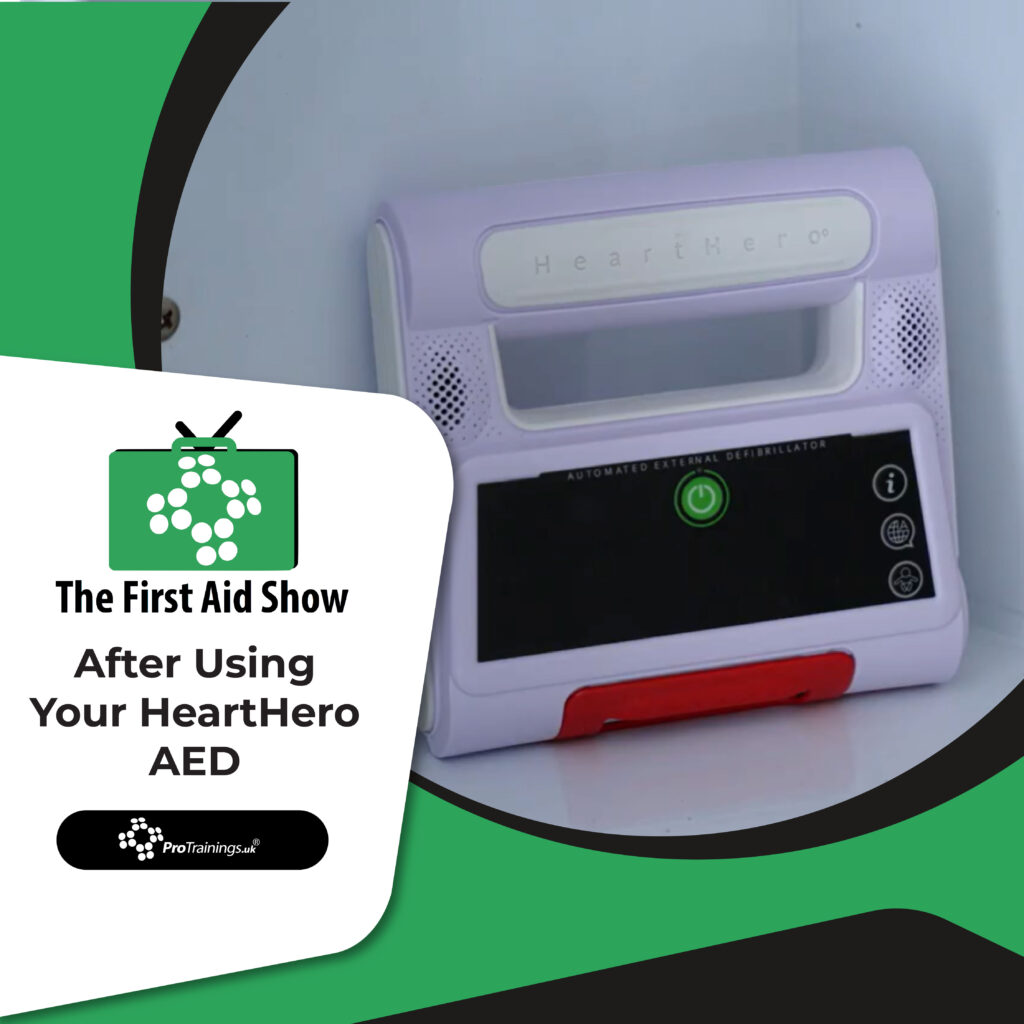
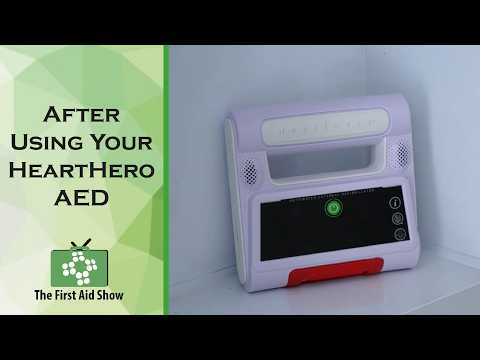
After using your HeartHero AED, there are several important steps you must complete before the device can be considered ready for its next deployment. An AED is only as effective as its preparation — and ensuring it returns to a fully operational state is just as critical as knowing how to use it in the first place.
Why You Must Act Quickly After Using Your HeartHero AED
Once a resuscitation attempt is complete, the HeartHero AED requires immediate attention. The electrode pads are single use and cannot be reused under any circumstances. Additionally, the batteries will have been drawn upon during the emergency and must also be replaced before the device returns to service.
Consequently, an AED that has not been serviced after use may be unavailable or unreliable during a future cardiac arrest. Furthermore, in workplace and public access settings across the UK, maintaining a ready AED is both a practical and a legal responsibility. Therefore, prompt servicing after every deployment is essential.
How to Power Down the Device Safely
After using your HeartHero AED, the first step is to power the device down correctly. Press and hold the green power button until the device begins to shut down. However, do not attempt to open the battery door straight away.
While the green indicator light is flashing rapidly, the battery cover must remain in place. This flashing period — which can last several minutes — indicates that the device is transferring event data recorded during the resuscitation. Opening the battery door during this time will interrupt that transfer. This data may be reviewed by medical professionals afterwards, so it is important to allow the process to complete fully.
Replacing the Batteries
Once the green light stops flashing, battery replacement can begin. Unscrew the battery cover carefully and remove the used batteries. Insert the new batteries, making sure they are positioned the correct way around. When refitting the cover, take care not to damage the rubber seal and avoid crossing the threads as the cover is screwed back into place.
Both of these points are important. A damaged seal can compromise the device’s weather resistance, and crossed threads can make the battery compartment difficult to close securely in future.
Replacing the Electrode Pads
Used electrode pads must be removed and discarded immediately after use. Moreover, replacement pads should be fitted before the device is restarted. AED pads are designed for single use only — attempting to reuse them is unsafe and will prevent the device from functioning correctly during a future emergency.
Always ensure replacement pads are compatible with the HeartHero AED and check the expiry date before fitting them. Out-of-date pads should never be used.
Running the Test Sequence
Once the new batteries and pads are in place, restart the HeartHero AED and run through the full test sequence. This confirms that the device has returned to a ready state and is fully operational. A device showing a ready status gives rescuers the confidence that it will perform reliably if called upon again.
Additionally, it is good practice to record the servicing steps taken, including the date of maintenance and the components replaced. This supports compliance in regulated environments and helps ensure accountability across your AED programme.
Final Thoughts
After using your HeartHero AED, completing the servicing process correctly is not something that can be left until later. Replacing the pads and batteries, allowing the event data to transfer fully, and confirming the device has returned to a ready state are all steps that must be carried out without delay.
If you have any questions about replacing components or servicing your HeartHero AED, get in touch with our team. We are here to help ensure your device is always prepared for the next emergency.
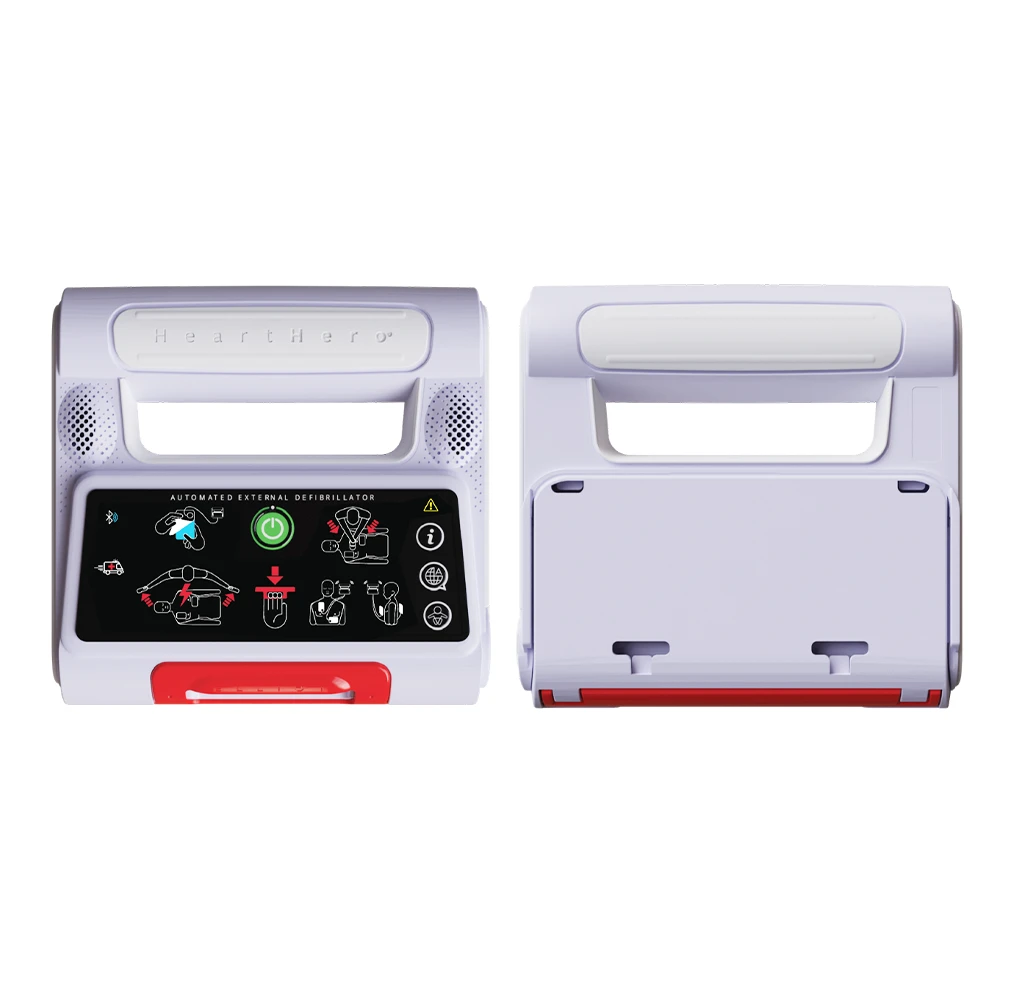
Learn Life-Saving CPR and AED Skills with HeartHero
When a sudden cardiac arrest occurs, knowing how to respond quickly can make a significant difference. The HeartHero AED Training Courses have been designed to help learners develop the knowledge and confidence needed to act in an emergency.
The Using the HeartHero AED Training Course focuses on the safe and effective use of an automated external defibrillator (AED), guiding learners through the steps involved in recognising a cardiac emergency and delivering potentially life-saving treatment. For those looking to develop a broader understanding of emergency response, the CPR and HeartHero AED Training Course combines AED training with essential CPR skills.
To support practical learning, a range of HeartHero AEDs and accessories are available, including training equipment, replacement pads, batteries and carry cases. These products can help organisations, training providers and first aiders maintain their equipment and gain valuable hands-on experience.
By combining quality training with practical equipment, you can build the confidence and skills needed to respond effectively when every second counts.