
The Function of the HeartHero AED is to analyse the heart’s electrical activity during a sudden cardiac arrest and determine whether a life-saving shock is required. When someone collapses in cardiac arrest, every second matters. Therefore, understanding The Function of the HeartHero AED can help rescuers act quickly and confidently during an emergency. While CPR plays a vital role in maintaining blood circulation, an AED provides the additional support needed to identify and treat certain dangerous heart rhythms that may respond to defibrillation.
Sudden cardiac arrest occurs when the heart’s electrical system becomes disrupted. Instead of pumping blood effectively around the body, the heart may begin beating chaotically or quivering in an uncoordinated manner. As a result, oxygen-rich blood no longer reaches the brain and other vital organs. Without immediate intervention, the casualty’s chance of survival rapidly decreases.
How the HeartHero Elliott AED Works
The HeartHero Elliott AED has been specifically designed to assist rescuers during these critical moments. Once the electrode pads are attached to the casualty’s chest, the device immediately begins analysing the heart’s electrical activity.
During this process, the AED looks for specific heart rhythms that may benefit from defibrillation. Furthermore, the device performs this analysis automatically, allowing rescuers to focus on following the voice prompts and providing CPR when instructed.
The AED can identify:
- Ventricular fibrillation (VF)
- Pulseless ventricular tachycardia (VT)
- Other cardiac arrest rhythms
- Rhythms that do not require defibrillation
Consequently, the device only recommends treatment when it is medically appropriate.
Understanding Shockable Rhythms
One of the primary aspects of The Function of the HeartHero AED is identifying shockable heart rhythms.
In ventricular fibrillation and pulseless ventricular tachycardia, the heart’s electrical activity becomes disorganised. Although electrical impulses continue within the heart, they fail to produce an effective heartbeat. Therefore, blood circulation stops, and the casualty quickly loses consciousness.
When the AED detects one of these rhythms, it prepares to deliver a controlled electrical shock. This shock aims to interrupt the abnormal electrical activity and give the heart the opportunity to restart with a more organised rhythm.
When No Shock Is Advised
Not every cardiac arrest rhythm can be treated with defibrillation. Consequently, there are occasions when the HeartHero Elliott AED will announce that no shock is advised.
This does not indicate a fault with the device. Instead, it means the AED has detected a heart rhythm that is unlikely to respond to a shock.
In these situations, the most important actions remain:
- Continuing high-quality CPR
- Following the AED prompts
- Calling emergency services
- Providing ongoing care until professional help arrives
Furthermore, CPR helps maintain blood flow to vital organs while emergency medical treatment is arranged.
Why Everyone Must Stand Clear
During rhythm analysis, the AED requires an accurate reading of the casualty’s heart activity. Therefore, nobody should touch the casualty while the device performs its assessment.
Movement, chest compressions, or physical contact can interfere with the analysis process. As a result, the HeartHero Elliott AED instructs rescuers to stand clear whenever it analyses the heart rhythm or prepares to deliver a shock.
Following these instructions helps ensure the device reaches the correct treatment decision.
What Happens After a Shock?
If the AED determines that a shock is required, it guides the rescuer through the entire process. Once the shock has been delivered, the device immediately instructs rescuers to restart CPR.
This step remains essential because:
- The heart may not immediately regain effective circulation
- The brain still requires oxygen
- Vital organs need continuous blood flow
- Additional rhythm analysis may be required later
Consequently, rescuers should continue CPR exactly as instructed until the AED advises otherwise.
Continuous Monitoring Throughout the Rescue
Another important feature of the HeartHero Elliott AED is its ability to continually monitor the casualty throughout the rescue.
The device will:
- Analyse the heart rhythm at regular intervals
- Advise whether another shock is needed
- Guide rescuers through CPR cycles
- Provide clear and simple voice prompts
- Support rescuers until emergency services arrive
Additionally, the AED removes much of the uncertainty that people often experience during a cardiac emergency. Instead of guessing what to do next, rescuers can simply follow the device’s instructions.
Final Thoughts
The Function of the HeartHero AED goes far beyond simply delivering an electrical shock. The device analyses heart rhythms, determines whether defibrillation is appropriate, guides rescuers through CPR, and continually monitors the casualty throughout the emergency.
By combining rapid heart rhythm analysis with clear voice guidance, the HeartHero Elliott AED helps rescuers provide effective care during sudden cardiac arrest. Ultimately, when used alongside high-quality CPR and prompt emergency medical assistance, the device gives casualties the best possible chance of survival and recovery.
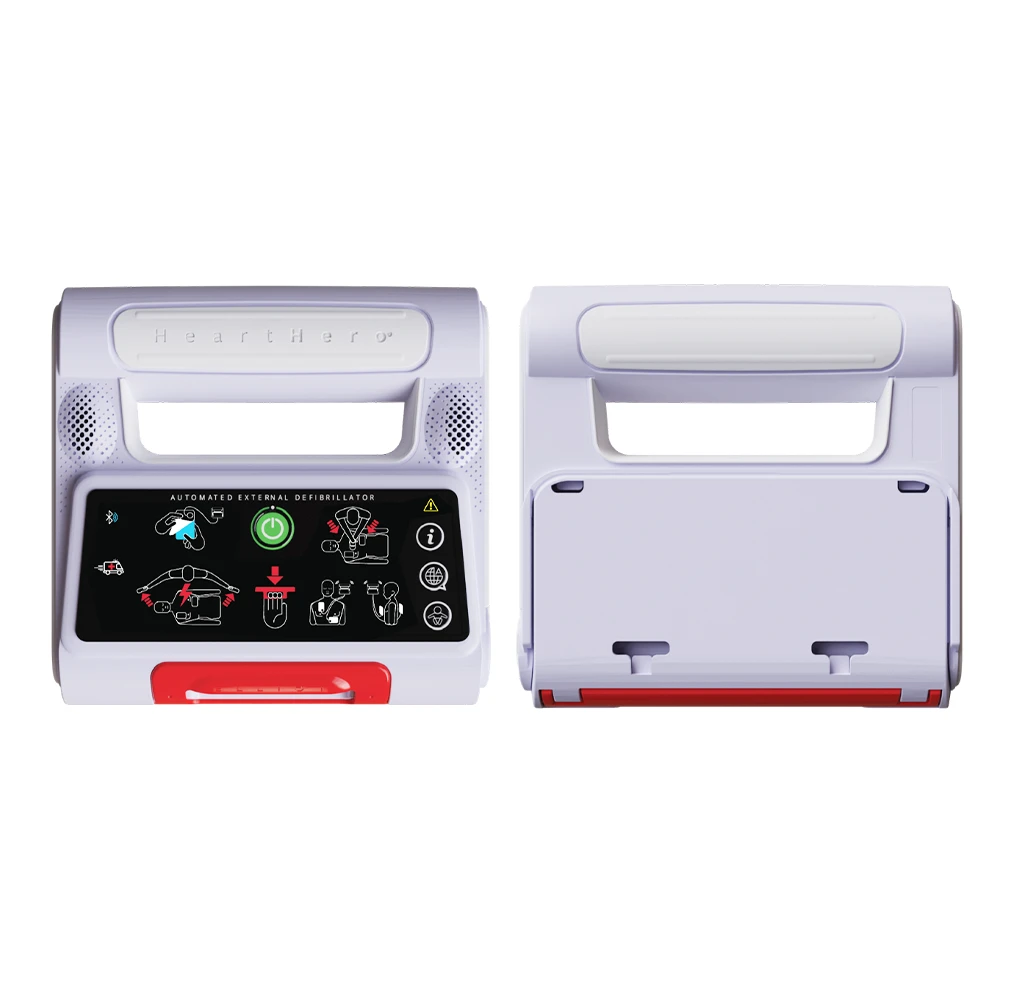
Learn Life-Saving CPR and AED Skills with HeartHero
When a sudden cardiac arrest occurs, knowing how to respond quickly can make a significant difference. The HeartHero AED Training Courses have been designed to help learners develop the knowledge and confidence needed to act in an emergency.
The Using the HeartHero AED Training Course focuses on the safe and effective use of an automated external defibrillator (AED), guiding learners through the steps involved in recognising a cardiac emergency and delivering potentially life-saving treatment. For those looking to develop a broader understanding of emergency response, the CPR and HeartHero AED Training Course combines AED training with essential CPR skills.
To support practical learning, a range of HeartHero AEDs and accessories are available, including training equipment, replacement pads, batteries and carry cases. These products can help organisations, training providers and first aiders maintain their equipment and gain valuable hands-on experience.
By combining quality training with practical equipment, you can build the confidence and skills needed to respond effectively when every second counts.
Leave a Reply